Production & Hosting
Stop Turning the Host Into the Help Desk
Somewhere around the second hour, the host stops being a person and becomes a help desk. Give the questions somewhere else to go.
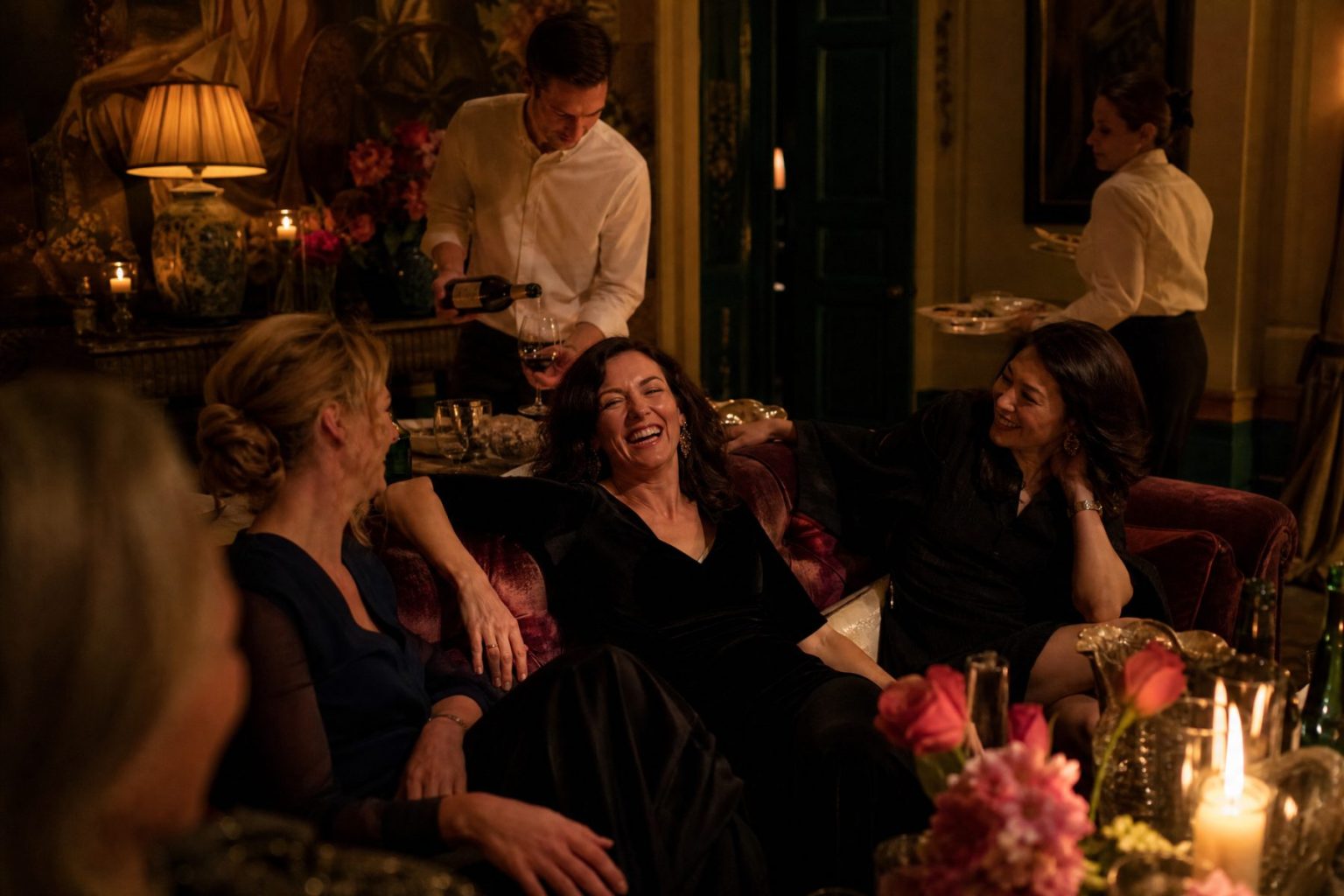
Somewhere around the second hour, the host stops being a person and becomes a help desk.
Every question in the building finds its way to them eventually, which means the event has quietly turned its central figure into unpaid infrastructure.
Payments, substitutions, timing cues, vendor access: none of that should ever be competing with a host’s actual ability to welcome people and be present at their own event.
Decide what genuinely needs the host
A meaningful guest exception, a protected ritual, a change that touches a relationship. That’s the list. Everything else needs a rule or a delegated owner, because the host should not be the fallback answer for every routine question.
Build a real escalation ladder
Routine questions (directions, coats, standard dietary service) go to assigned staff. Cross-team issues like schedule drift or a seating correction go to a planner or venue captain. Safety and structural decisions go to the venue or a qualified authority. Only values, relationships, and personal program choices actually belong to the host.
Write the preference boundaries before pressure shows up
Substitution limits, discretionary spending, timing flexibility, guest exceptions. The team should know what’s allowed to change without asking and what’s protected no matter what, decided calmly in advance, not negotiated live.
Give guests somewhere else to find the truth
Transport, seating, gifts and lost property all need visible information and a named helper. Private access to the host shouldn’t be the only route to solving something ordinary.
Protect the host’s actual physical path through the day
Where they wait, dress, eat, rest, enter. Vendor staging and operational briefings should not be quietly colonizing that space.
Plan how the host gets back in
If the host does have to handle something hard, someone needs to bring them back up to speed: what changed, what’s next, whether their appearance needs a fix. Coming back shouldn’t feel like being dropped into a moving car.
Test it with a host-free hour
Pick one operational hour and ask whether staff can run it without contacting the host at all. Every unnecessary escalation tells you exactly where a rule or an owner is missing.
It’s working the moment predictable questions have somewhere else to go, real decisions have real authority, and the host gets to spend their attention on the people who actually justified throwing the event in the first place.
Atmosphere OS · Arc Studio
Every event has a turn. Most plans do not know where theirs is.
Arc Studio places the peak, then arranges load-in, service and the close around it and hands you the run sheet. It is a planning document rather than a venue-compliance one, and it draws that line for you.
Costs come back as indicative bands rather than quotes, and seasonal notes are filters rather than promises.
Field notes and corrections
When a number here turns out to be wrong, you hear about it.
Three things arrive and nothing else. The new field note — bar rates, cover widths, service clearances, the arithmetic worked through on one real evening. A line when a new World or Mini Occasion opens, because a night only goes up once it can actually be thrown. And a correction whenever a rule in the published rulebook changes, or a number the tools rely on turns out to have been wrong. There is no weekly slot, because there is nothing weekly to put in it.
One email per field note or opening, plus corrections when a published figure moves. Unsubscribe from any of them.
Continue through the system
Pretty is still not a plan.
A party gets planned in roughly this order. Pick the chapter where your next problem lives.
What you have to decide next
One decision constrains the next. This is the order they actually happen in.
More in this chapter


See the complete five-chapter Event Design Intelligence map →