Design & Florals
A Scent-Control Recipe for Florals That Should Not Fight Dinner
The flowers are beautiful and also broadcasting from six tables away. By the first course the wine tastes faintly floral and the warm room has amplified it.
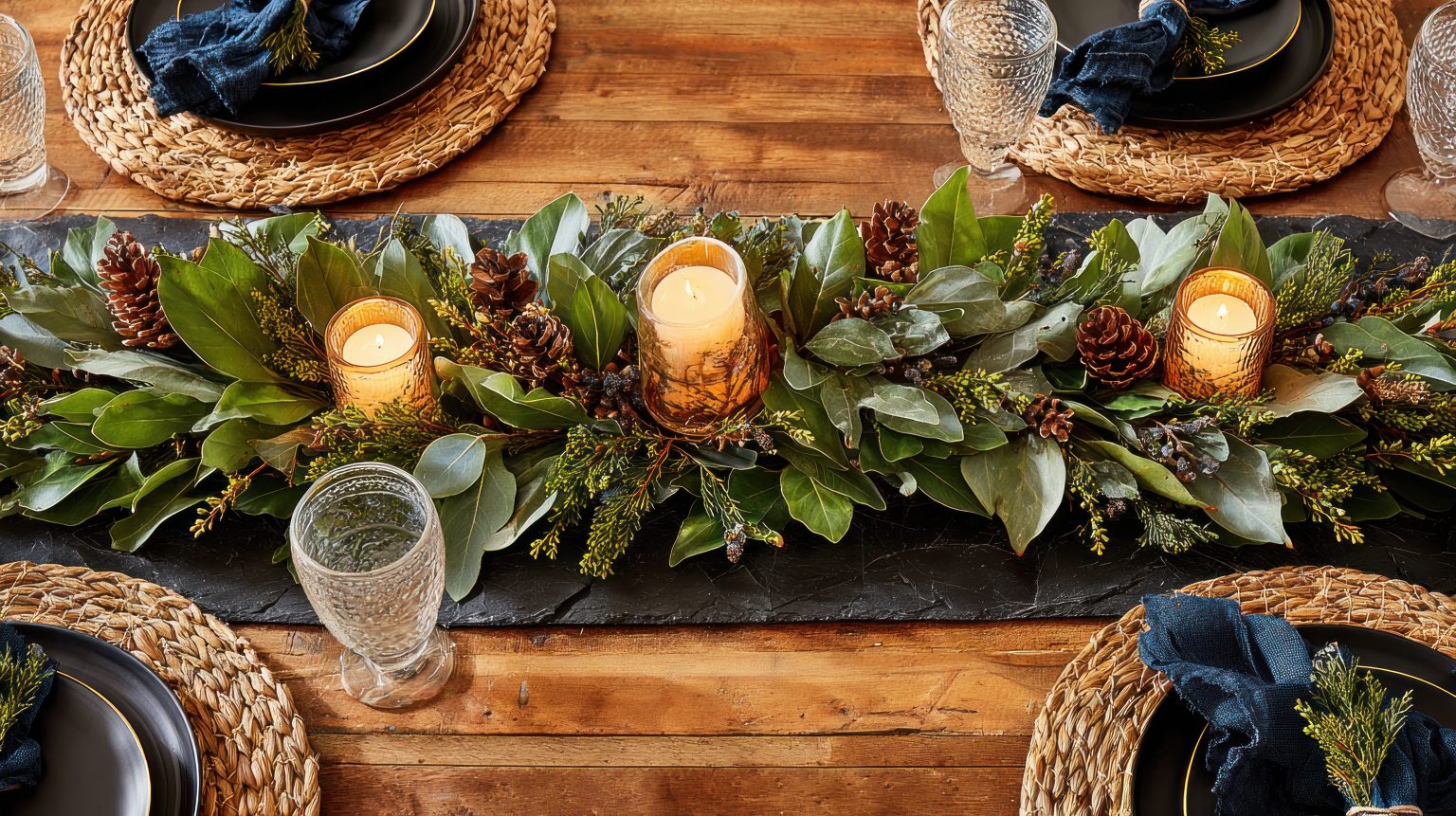
The flowers are beautiful. They are also broadcasting from six tables away.
By the first course, the wine tastes faintly floral, the warm room has amplified every scented stem, and one guest has begun quietly calculating the distance to the nearest open door.
This is not the same problem as designing scent across an entire occasion. At dinner, the question is narrower and less forgiving: can the flowers remain lush and present without becoming part of the food, the wine, and everyone’s breathing space?
Let the menu lead the air
Dinner already produces aroma through food, beverages, coffee, bread, smoke, herbs, heat, and service.
Review the floral plan beside the menu rather than in isolation. Delicate food and wine may be easily overshadowed. Strongly aromatic dishes may create an already complex air. Coffee and dessert can change the room again late in the meal.
The flowers do not need to be scentless in every setting. They need a defined role. If the meal is the primary sensory event, floral fragrance should usually remain restrained enough that guests can still smell and taste what was served.
Test the quantity, not one polite stem
A single flower smelled briefly in a cool studio does not represent twelve centerpieces in a warm room.
Build a representative sample at the intended density. Place it on the actual or dimensionally similar table with the vessel, candles or approved alternatives, linens, food, and wine or other beverages.
Leave it in conditions close to the event temperature for long enough to notice accumulation. Sit at several positions, including the closest guest seat. Fragrance changes with quantity, opening stage, heat, airflow, and time.
If the first impression is “flowers” before the meal has even arrived, the dining recipe may be overperforming.
Ask the florist for a fragrance map
Review which proposed materials are strongly, moderately, or minimally fragrant in the quantities and stages expected.
A single flower smelled briefly in a cool studio does not represent twelve centerpieces in a warm room.
Common names and individual cultivars can vary, and perception differs between people. Use the florist’s direct material knowledge, supplier information, and an actual sample where the decision matters.
Identify the obvious focal blooms, then keep going: herbs, flowering branches, foliage, fruit, candles and any other botanical addition. A centerpiece can become aromatic through several individually modest ingredients working together with suspicious teamwork.
Move scent away from the plate zone
Use more fragrant material where guests pass briefly rather than where they remain seated for hours.
Possible locations include an arrival threshold, exterior transition, staircase landing, or lounge with appropriate ventilation and a lower exposure duration. Even there, provide a route or seating option for guests who prefer less fragrance.
Keep dining centerpieces lower in scent, not merely lower in height. Distance across the same small table may not meaningfully reduce exposure when the entire arrangement warms beside the meal.
Use form, color, and surface to replace aroma
A low-scent arrangement can still feel rich.
Build interest through:
- strong silhouette and negative space;
- contrasting petal, leaf, fruit, branch, and vessel surfaces;
- controlled color depth;
- movement and asymmetry;
- light-catching or light-absorbing materials;
- repetition across the table;
- one visually unusual focal material.
Do not treat fragrance as the only evidence that the flowers are alive. They have several other talents and should be encouraged to use them.
Account for heat and ventilation
A cool, empty dining room may become warm once guests, service, cooking, candles, equipment, and closed doors are added.
Ask the venue how ventilation, heating, cooling, windows, and doors operate during the meal. Identify tables near heat sources, still-air corners, exterior doors, and direct vents.
Strong air movement may spread scent unevenly or damage flowers. Poor air movement may allow it to accumulate. Adjust placement and material rather than assuming ventilation can simply be increased without affecting temperature, sound, doors, or the rest of the building.
Remove competing fragranced products
Scented candles, diffusers, cleaning products, restroom fragrance, fabric sprays, smoke, incense, and guest amenities can combine with the flowers.
Use unscented candles or approved alternatives at dinner unless fragrance has a specific, tested role. Ask the venue about automated fragrance and recent cleaning. Coordinate with catering and production so the room is not receiving independent scent plans from several vendors.
Do not add another fragrance to “balance” the flowers. The air does not need a supporting cast.
Protect a lower-scent seating option
Some guests may be sensitive to fragrance or simply prefer a less aromatic location.
Where the event format permits, maintain a table or seating zone with low-scent flowers and no added fragranced products. It should receive equivalent design, service, sightlines, and social consideration—not feel like a medical annex beside the kitchen door.
Communicate unusual fragrance-heavy concepts in advance when the exposure is consequential or difficult to avoid. Do not ask guests to explain a health condition publicly to earn neutral air.
Keep pollen, shedding, and contact in the same review
Dining flowers live close to food, clothing, glassware, and hands.
Check loose pollen, falling petals, seeds, berries, sap, thorns, water, damaged material, and trailing stems. Remove mature pollen structures where appropriate and safe for the material. Keep unfamiliar or potentially harmful plant material away from food contact and guest reach.
When children, pets, or service animals may access the setting, identify the botanical material and verify relevant toxicity concerns through authoritative sources or veterinary guidance rather than relying on bouquet labels.
Do not ask guests to explain a health condition publicly to earn neutral air.
A flower can be too talented in several departments at once.
Scent and the wine list share a room
Wine, tea, coffee, cocktails, and zero-proof drinks depend on aroma as part of their flavor.
Smell and taste representative beverages at the sample table after the flowers have been present for a while. Ask whether the floral scent changes the perception or becomes the dominant aromatic cue.
This is especially important for intimate rooms, tasting menus, wine-led dinners, or tables where guests sit close to substantial arrangements.
Have a fast reduction plan
If the completed room feels over-fragranced, know what can change quickly.
Options may include:
- removing the strongest material from dining arrangements;
- relocating selected pieces to short-duration transition zones;
- reducing centerpiece count or density;
- removing scented candles or products;
- using the venue’s appropriate ventilation response;
- opening a lower-scent seating area;
- replacing one arrangement with a vessel, foliage, fruit, or nonfloral object already prepared for the table.
Assign the decision to one lead. Do not let several people move fragranced pieces randomly and create aromatic migration.
Conduct the final seated review
Complete it shortly before guests enter, with the room at its event lighting and approximate temperature.
Sit at the closest and most enclosed seats. Smell the room, not only the centerpiece. Check food and beverage interaction, air movement, loose material, water, sightlines, and service clearance.
If the flowers become the first flavor, reduce them before dinner has to compete.
Let guests remember the flowers visually
Dining flowers can be abundant, theatrical, tactile, and deeply atmospheric without dominating the plate.
The room still feels lush. Dinner tastes like dinner. The flowers are remembered for how they looked—not through everyone’s sinuses.
Atmosphere OS · Theme Atelier
A palette is not yet a decision.
Atmosphere OS holds the color, the material, the light and the room in one object, so moving any of them shows you what it does to the rest. Costs come back as indicative bands and never as quotes, which is the difference between planning and pretending.
Free to use, local-first in your browser, and there is no account until you ask for one.
Field notes and corrections
When a number here turns out to be wrong, you hear about it.
Three things arrive and nothing else. The new field note — bar rates, cover widths, service clearances, the arithmetic worked through on one real evening. A line when a World opens, because a night only goes up once it can actually be thrown. And a correction whenever a rule in the published rulebook changes, or a number the tools rely on turns out to have been wrong. There is no weekly slot, because there is nothing weekly to put in it.
One email per field note or opening, plus corrections when a published figure moves. Unsubscribe from any of them.
Continue through the system
Pretty is still not a plan.
A party gets planned in roughly this order. Pick the chapter where your next problem lives.
What you have to decide next
One decision constrains the next. This is the order they actually happen in.
More in this chapter
See the complete five-chapter Event Design Intelligence map →