Atmosphere
Give the Table One Reliable Adult
A table should feel like somebody lives there, and stop before that becomes somebody emptied four cabinets onto the linen. Collected still needs editing.
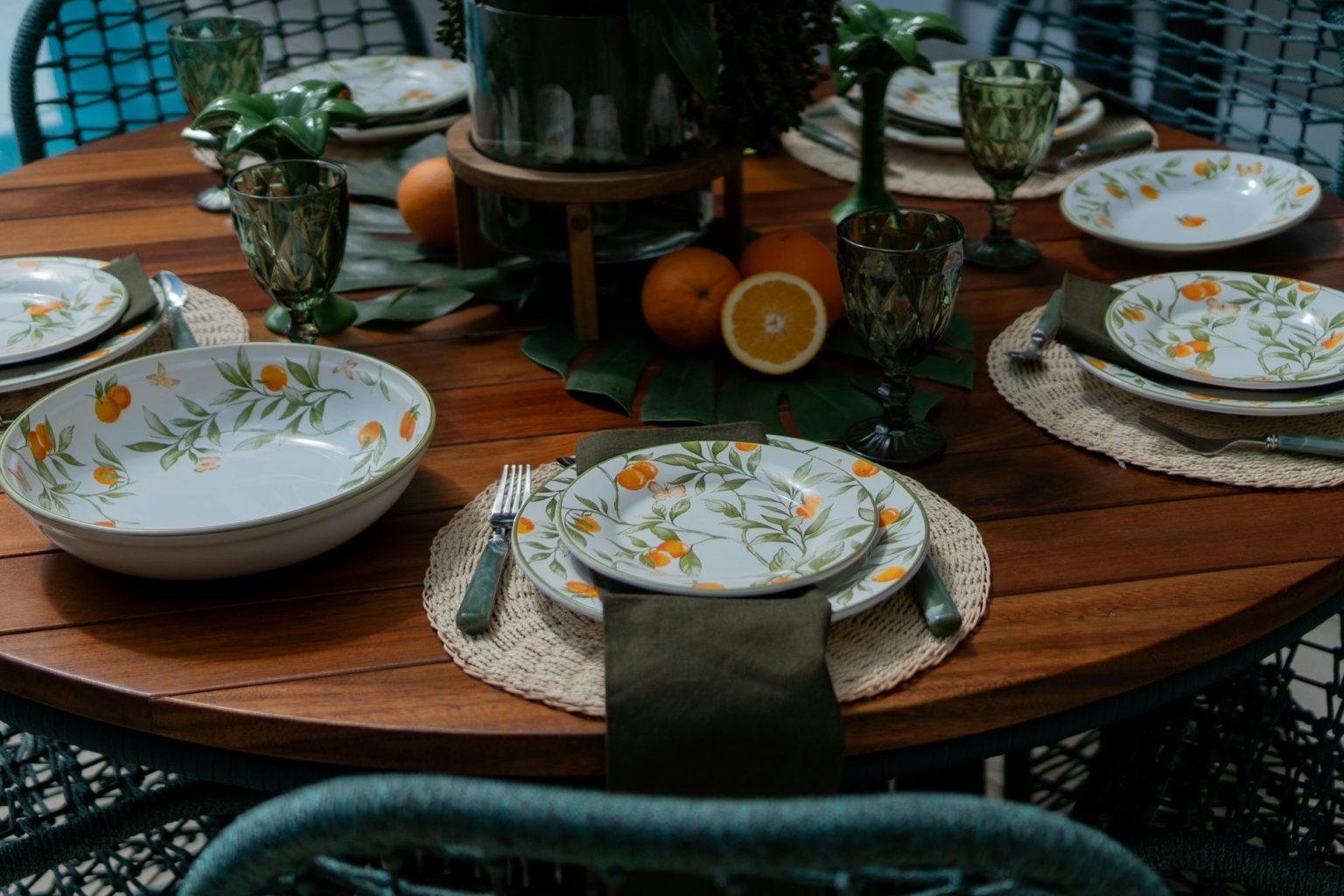
The table of 2026 has stopped auditioning for a department-store display.
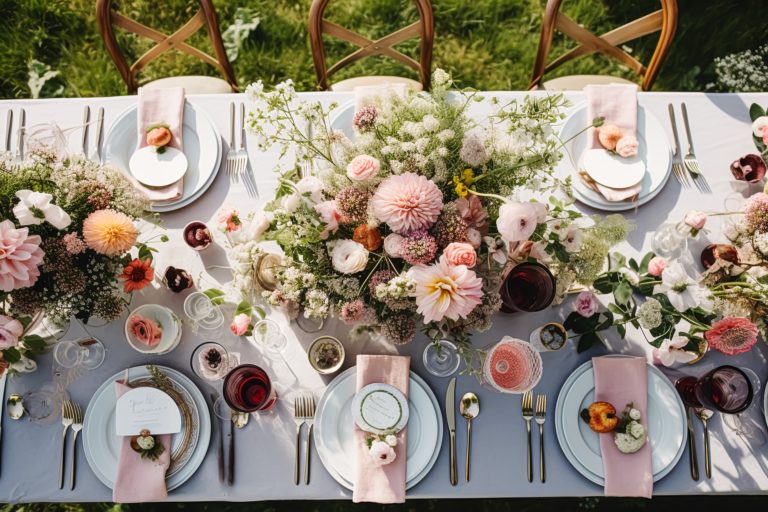
Veranda’s entertaining forecast describes tables that feel collected rather than coordinated: mixed glassware, vintage china, hand-thrown ceramics, patterned linens, pieces with age, pieces with travel stories, and pieces that simply looked too good to leave behind.
This is a direction I understand. A table should feel like somebody lives there. It should also stop before “somebody lives there” becomes “somebody emptied four cabinets onto the linen.”
Collected still needs editing.
Give the table one reliable adult
If the plates are all different, let the napkins relate. If the glassware is a jewel box, the dinner plates can settle down. If the linen is striped, floral, scalloped, embroidered, and carrying unresolved feelings, the flatware does not also need a personality arc.
One repeating color, metal, glass shape, or textile tone can make unrelated pieces look as though they have met before.
The useful tension is old beside new. A clean modern plate with old crystal. Contemporary flatware against linen with visible texture. A family serving piece next to simple rented glassware. That contrast keeps nostalgia from turning into reenactment.
Color can do more than clutter
Colored glass is everywhere because it brings saturation without stealing much surface area. Amber, smoke, green, cobalt, rose, plum—one good color can change the mood of the table while still functioning as an actual drinking vessel, which is more than can be said for several decorative objects currently occupying tables for no clear reason.
Pattern works the same way. Stripes with florals can work. Checks with painted plates can work. Pattern meeting pattern is fine. Trouble starts when every pattern is the same scale and none of them is in charge.
If everything is tiny, busy, and high-contrast, the food becomes background noise. Dinner should not have to fight the napkin for attention.
Then put dinner back into the picture
Collected tables are vulnerable to object creep: candlesticks, bud vases, bowls, fruit, menus, place cards, tiny dishes, extra glasses, a charming little object that has no job but apparently survived the edit.
Set the table, then mentally serve dinner. Where does bread land? Can a platter fit? Can somebody put down a phone without relocating a miniature ceramic cabbage? Is there room for a bottle, a serving spoon, an elbow?
If not, remove things. Personality is not measured by object count.
A good collected table feels like it belongs to the host because the choices show taste, memory, humor, restraint, and some evidence of a human being making decisions. Matching sets solve coordination. They do not automatically create character.
Collected has to work at the quantity you actually need
One beautiful odd glass is charming. Twelve beautiful odd glasses can become a scavenger hunt. Before building a table around vintage, borrowed or mismatched pieces, count the boring things: how many water glasses, how many wine glasses, how many dinner plates, how many seats, how many serving pieces. Then decide where variation helps and where repetition will make service easier.
You do not have to own twelve of anything. Four related sets can look more intentional than one incomplete matching set, especially if one element repeats across all of them. The repeated thing might be the napkin, the color of the water glass, the metal of the flatware or one plain dinner plate underneath a more eccentric first course.
Renting earns its keep here, in a less glamorous way. Rent the invisible quantity. Bring in twenty-four simple glasses so the six strange ones can be special instead of desperately trying to cover the entire table.
Let light decide which pieces deserve attention
Pattern, cut glass, silver, colored stemware and glazed ceramics do not read the same at noon and at candlelight. If dinner is after dark, set one place and light it the way the room will actually be lit. The smoky glass that looked sophisticated by a window may disappear. The heavily patterned plate may become quieter. The brass candlestick may suddenly be doing all the work.
That small test is more useful than deciding whether every object belongs to the same style. The table is not a flat lay. Guests see it from seated height, under whatever light survives dinner, with food and hands and bottles moving through it.
There should be somewhere for the inherited thing to matter
If one piece has history, do not bury it in a crowd of other meaningful pieces. Give it a job. Use the old platter for the course everybody shares. Put the ridiculous family glasses at dessert. Let the bowl from the trip hold bread instead of placing it behind three vases where nobody can see why it came out.
Not every object needs a biography. The table just has to feel assembled over time by a person with preferences. Some pieces can simply be useful and good-looking. Memory needs contrast too.
Use what you love. Borrow. Rent. Thrift. Mix good old things with good new things. Then stop before the table starts looking like an estate sale with candles.
Set one complete place before committing to the whole table. It is much cheaper to discover at one seat that the glass, plate, napkin and candle are all trying to be the main character.
If the styling starts crowding out dinner, the table still has to survive the food arriving.
Atmosphere OS · Theme Atelier
Turn the mood into something a florist can quote.
Theme Atelier builds palette, materials, lighting and spatial mood into one system, then writes it in language a vendor can price. Every number it produces comes from a published rule, and the rulebook names the judgments it deliberately refuses to call rules.
Costs come back as indicative bands rather than quotes, and seasonal notes are filters rather than promises.
Field notes and corrections
When a number here turns out to be wrong, you hear about it.
Three things arrive and nothing else. The new field note — bar rates, cover widths, service clearances, the arithmetic worked through on one real evening. A line when a World opens, because a night only goes up once it can actually be thrown. And a correction whenever a rule in the published rulebook changes, or a number the tools rely on turns out to have been wrong. There is no weekly slot, because there is nothing weekly to put in it.
One email per field note or opening, plus corrections when a published figure moves. Unsubscribe from any of them.
Continue through the system
Pretty is still not a plan.
A party gets planned in roughly this order. Pick the chapter where your next problem lives.
What you have to decide next
One decision constrains the next. This is the order they actually happen in.
More in this chapter
See the complete five-chapter Event Design Intelligence map →