Occasion Formats
Farewell Party for Eighteen: Let People Come and Go Without Losing the Point
An eighteen-person farewell party should make leaving feel acknowledged without trapping the guest of honor in a receiving line. Build the event around circulation, stories and a clear final moment.
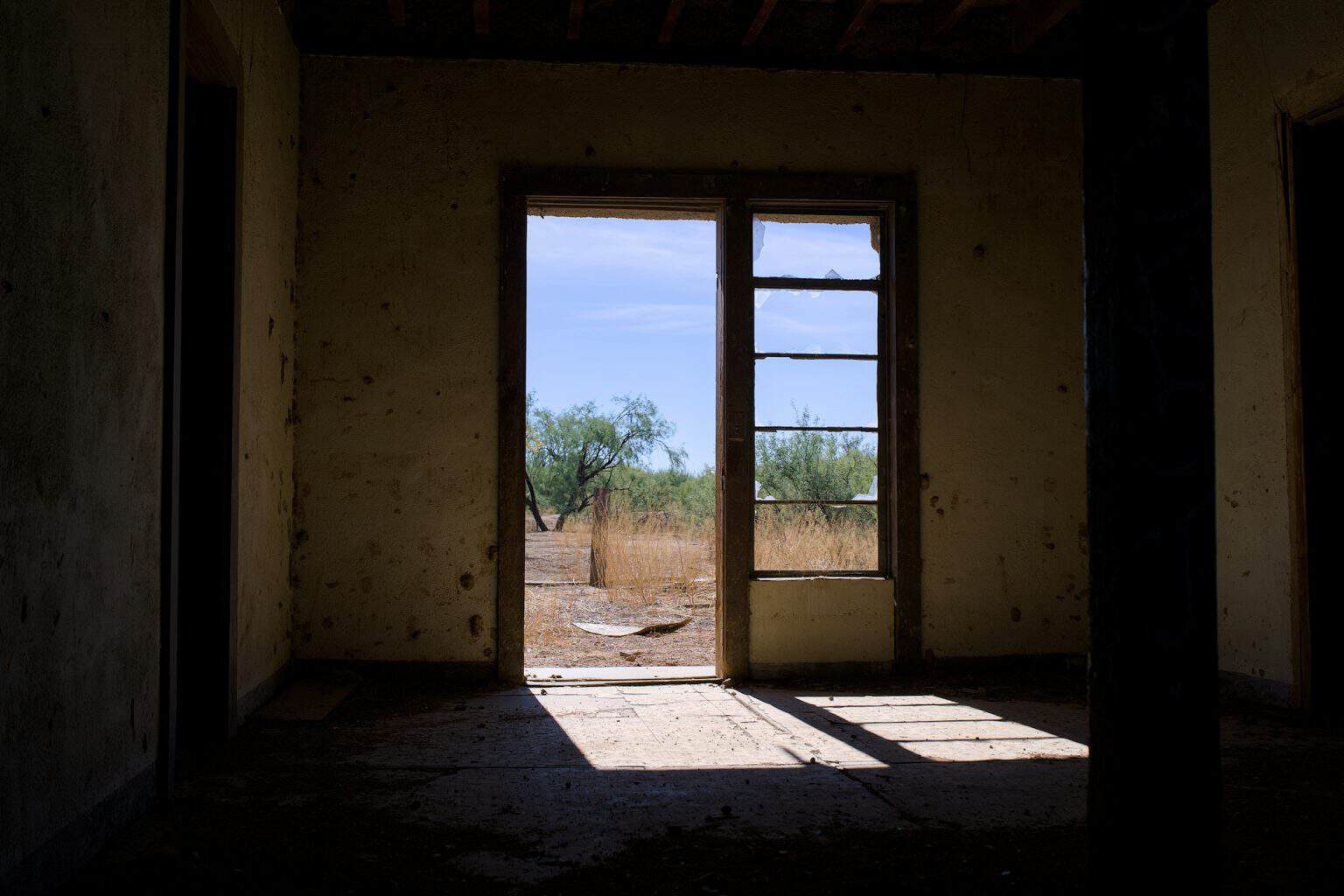
Two hours in, the person who is leaving is still standing four feet from the front door, where they have been since the beginning.
Every arrival wants a moment. Every departure wants another one. Eighteen people is enough for several social clusters and small enough that the guest of honor could meaningfully see everybody, which is exactly why it is so easy for them to see nobody properly and to spend three hours performing gratitude in a doorway.
The transition should be acknowledged without goodbye becoming the only available activity. Where people can go instead is a question of movement, not sentiment.
Choose the tone before choosing the guest list
Moving away, changing jobs, leaving a team, finishing a program or heading into a new chapter can feel exciting, sad, relieved, unfinished, or all of those within one hour, and the person it is happening to may not know which one they are in until Thursday.
A sentimental tone imposed on somebody who would rather laugh produces a very long evening for everyone in it. Cheerful optimism imposed on a complicated departure produces a shorter one, because the guest of honor will find a reason to leave early.
Ask what kind of evening they would actually enjoy. Dinner. Drinks. Backyard party. Restaurant room. Games. One long table. Standing cocktails with food.
The format should feel like them before it feels like farewell.
Do not station the guest of honor at the entrance
Let arrivals move into the room.
Put the first drink deeper inside. Use one or two socially confident guests as bridges for newcomers. The person leaving can greet people naturally instead of being trapped in a permanent receiving line.
At eighteen, the room should support movement. Keep the entrance clear, the bar away from the door and coats somewhere guests can access later without dismantling the party.
Give memories somewhere to live besides speeches
Farewell stories can multiply quickly.
Use several channels.
A few photographs. A notebook with one simple prompt. Cards guests can write privately. A map where people mark a shared place. One table with meaningful objects. These let guests contribute without requiring microphone time.
If speeches matter, choose two or three and keep them short. A farewell is not improved when the guest of honor has to stand through seventeen oral histories.
Make food support circulation
If the event is seated, create a standing arrival period first. It gives the guest of honor time to greet people before everyone becomes fixed.
If the event is more fluid, serve food that can be eaten in several zones. Small plates, a buffet, platters or a restaurant-style private menu can all work.
The key is avoiding one service point that forces every guest into the same line at the same time.
Service routes matter at eighteen because the room is small enough for one congestion point to dominate the whole event.
One service point and eighteen people is a queue you can predict on paper before you build it in a hallway.
Find the congestion point at eighteen (opens in a new tab)
Use the destination without turning it into a travel theme
If the person is moving somewhere new, one reference can be charming.
A drink from the new city. A food from the region. A map. One color or material that nods toward what comes next.
Do not cover the room in miniature airplanes because someone is moving to Chicago.
The future is context, not a costume.
Give the guest of honor one moment to receive the room
People leaving often spend farewell parties giving attention rather than receiving it.
Create one contained moment where the room addresses them.
A toast. A short set of stories. A group gift. A book handed over. A photograph taken while everyone is still there.
Keep it brief enough that the person can absorb it rather than survive it. Deciding where that moment sits in the evening is what Atmosphere OS does with a running order.
Do not make every departure another ceremony
Guests will leave at different times.
They should be able to hug the guest of honor, retrieve a coat and go without the entire room noticing that another goodbye has occurred.
Keep the exit path clear. Let one family member or friend help with coats if needed. And keep the memory table away from the door, because a display placed there reactivates on every departure, and by the fourth one it has stopped being moving and started being a toll booth.
Departure design is unusually important at a farewell because the event already carries enough emotional weight.
End the formal part before the party ends
Place the main toast or group moment while most guests are still present, then release the room.
After that, let people talk, refill drinks, take photographs and say private goodbyes.
This gives the event a clear emotional apex without making every remaining minute a comedown.
Leave one thing unfinished on purpose
A farewell can feel final in ways real relationships are not.
Use one gesture that points forward: cards with future visit plans, a shared playlist that keeps growing, a bottle to open when people reunite, one empty page in the memory book reserved for what happens next.
The event can mark a departure without pretending connection has ended.
The farewell-for-eighteen test
- Does the tone match how the person leaving actually feels?
- Can arrivals enter without trapping the guest of honor at the door?
- Can guests contribute memories without all speaking publicly?
- Does food support movement rather than one long queue?
- Is there one contained focal moment?
- Can individual departures happen without restarting the whole goodbye?
- Does one detail point toward what comes next?
If yes, the party can feel meaningful without becoming a prolonged ending.
Use Occasion Design to adapt the same format for six people, thirty people or a much larger sendoff. None of it will make the last twenty minutes easy. That part does not scale, does not improve with planning and never will. The most a host can do is keep the coats findable and the doorway clear.
Continue through the system
Pretty is still not a plan.
This field note belongs to a larger event-design system. Follow the chapter that explains the next pressure point instead of falling back into an undifferentiated archive.
What you have to decide next
One decision constrains the next. This is the order they actually happen in.
- Venue Will this room hold it? When Prismm Goes Dark: The Deadline Is September, Not December
- Production How does it get built and run? Ask It Twice: Why the Same Evening Comes Back With Five Different Answers
- Vendors Who owns each handoff? The Generator Was Late. The Washrooms Were Waiting.
- Contingency What happens if the weather turns? The Storm Wasn’t the First Failure
More in this chapter


See the complete five-chapter Event Design Intelligence map →