Production & Hosting
How to Rescue a Collapsing Tablescape Before Guests Notice
It looked perfect at 4pm. By 5:40 a vessel is listing and a centerpiece is walking toward the edge of the table. This is triage, not perfectionism.
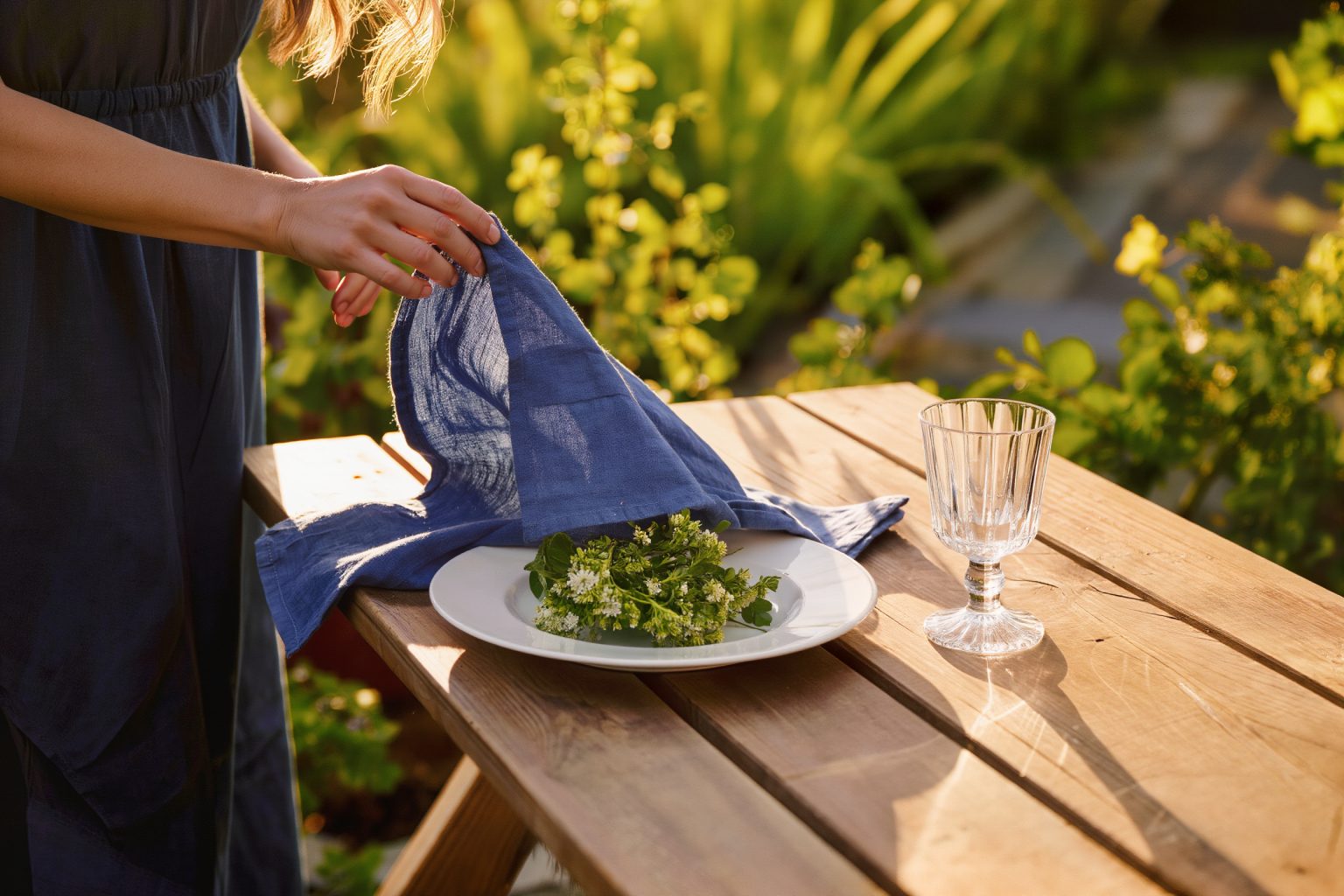
The tablescape looked perfect at 4 p.m. By 5:40 one vessel is listing, the linen has a wet spot the size of a saucer, two candles have already dripped into the place settings, and a centerpiece is slowly walking toward the edge of the table like it has somewhere better to be.
Guests arrive in twenty minutes.
This is not the moment for perfectionism. This is triage.
A collapsing tablescape is rarely one dramatic failure. It is usually the accumulation of small physical realities — gravity, heat, moisture, uneven surfaces, last-minute adjustments — that the original design did not fully account for. Forget the magazine version. What you want now is a table that looks deliberate and calm when the first guest walks in, with no evidence of the scramble.
Twenty minutes is enough if you work in the right order.
First thirty seconds: stop the bleeding
Walk the entire table once, fast, without touching anything yet. Identify only the highest-risk failures:
- Anything that can fall, spill, or tip in the next ten minutes
- Anything that will mark a guest’s clothing, plate, or skin
- Anything that blocks a sightline or a place setting so severely that conversation or service becomes awkward
Everything else can wait. The first pass is about preventing the irreversible. A listing vase that hits the floor in front of guests is a different category of problem from a slightly crooked runner.
Make a mental (or quick verbal) triage list. Then move.
Unstable vessels get grounded or removed
If a vase, candlestick, compote, or elevated piece is rocking, do not try to rebalance it by adding more weight or shifting the contents. That usually makes the instability worse or creates a new problem.
Two clean options:
- Move the entire piece to a safer secondary surface — sideboard, windowsill, console, even the floor behind a chair if it can still look intentional from the main view.
- Empty it and set the vessel aside. I will take a slightly sparse table over a crash every time.
Do this first. Guests forget a sparse table by dessert. Nobody forgets the centerpiece that hit the floor.
If the vessel itself is the problem (warped base, uneven table, soft surface), the contents are secondary. Secure or remove the structure before worrying about the arrangement.
Wet linen gets hidden, not dried
You do not have time to dry fabric properly. You have time to disguise the evidence.
Fold a napkin, runner, or spare cloth over the spot. Shift a plate, low bowl, or flat object to cover it. If the wet area is under a place setting, move that entire setting a few inches. Guests notice a dark wet circle. They almost never notice a slightly rearranged table that still looks composed.
Avoid the instinct to blot aggressively in a way that spreads the mark or leaves a larger disturbed area. Contain and cover.
If the linen is rented and the mark is significant, note it for later so the replacement or damage conversation happens after the event, not during it.
Candles that have already misbehaved get replaced or eliminated
Dripped wax on the cloth or plate is a visual loudspeaker. It says “something already went wrong.” Blow out the offenders. Swap in fresh candles if you have them ready. If you do not, simply remove the problem candles and leave the holders empty or fill them with something quiet — a single stem, a small object, nothing at all.
You do not have time to dry fabric properly. You have time to disguise the evidence.
An incomplete candle line looks intentional. A dripping or already-melted one does not. Wax, linen, and botanicals all behave differently once the room warms up, which is usually where this starts.
If wax has already landed on a plate or glass, replace the item if possible. If not, move the affected piece out of the primary guest view.
Height and sightlines get the final structural edit
Anything taller than the seated eye line that is leaning, crowded, or unstable gets lowered or thinned. Guests should be able to see the person across from them without leaning around a flower or a branch.
If the arrangement is the problem, remove the tallest stems or the entire piece. The table will survive. A lower, calmer composition that allows conversation is better than a dramatic one that forces people to negotiate around it.
Check from a seated position, not standing. The eye line that matters is the one guests will actually use, and centerpiece height decides whether the table can talk.
Service paths and place settings
Even after the dramatic failures are handled, make sure a server or a guest can still set a plate, pour wine, or reach a shared dish without moving decorations. Push pieces inward or outward as needed so the functional zones remain clear.
A tablescape that looks beautiful but prevents service will be adjusted by staff or guests in less elegant ways once the meal begins. Do the adjustment now, cleanly. The table sits inside a service route someone has to work all night.
The last two minutes: the guest-eye walk
Stand where the first guest will stand. Sit in the worst seat. Look for anything that still feels accidental — a stray leaf, a crooked runner edge, a glass too close to the edge, a visible wet mark, an empty holder that looks forgotten.
Fix only those. Then stop.
A calm table at the doorbell beats a better one still being “fixed” in front of the first guest. Continuing to adjust after the room is essentially ready often creates new small problems.
What to accept and what to protect
You will not get the original tablescape back in twenty minutes. You can get a version nobody questions, which is all this moment requires.
Protect the things guests notice first: stability, clean surfaces, clear sightlines, and the absence of obvious distress. Everything else is secondary once the clock is this short.
A calm table at the doorbell beats a better one still being fixed in front of the first guest.
If a piece cannot be saved without risking a larger failure, remove it. A table with one fewer object that still feels composed is stronger than a table clinging to every original element at the cost of calm.
After the save
Once guests are seated and the evening is moving, do not continue to fuss with the table in ways that draw attention. The triage is finished. Any further adjustments should be invisible or handled during natural breaks (clearing, resetting between courses) if absolutely necessary.
Note what failed and why for the next event. Most collapsing tablescapes are the result of known physical risks — soft surfaces, top-heavy arrangements, candles that were never tested, vessels without proper footing, last-minute additions that changed the balance. The triage gets you through the night. The diagnosis improves the next one.
Then open the door like nothing ever went wrong. The wet spot is under a folded napkin, and nobody at that table will ever know it was there.
Atmosphere OS · Arc Studio
Give the evening a shape it can hold.
Arc Studio builds the energy curve, marks the turn, and produces the run sheet and production brief from it. The timings come out of published rules, and the rulebook is explicit about which parts are judgment rather than arithmetic.
The rulebook is public. Every formula it runs on is written down where you can disagree with it.
Field notes and corrections
When a number here turns out to be wrong, you hear about it.
Three things arrive and nothing else. The new field note — bar rates, cover widths, service clearances, the arithmetic worked through on one real evening. A line when a World opens, because a night only goes up once it can actually be thrown. And a correction whenever a rule in the published rulebook changes, or a number the tools rely on turns out to have been wrong. There is no weekly slot, because there is nothing weekly to put in it.
One email per field note or opening, plus corrections when a published figure moves. Unsubscribe from any of them.
Continue through the system
Pretty is still not a plan.
A party gets planned in roughly this order. Pick the chapter where your next problem lives.
What you have to decide next
One decision constrains the next. This is the order they actually happen in.
More in this chapter

See the complete five-chapter Event Design Intelligence map →