Immersive Event Worlds
Ovens Still Warm
Dinner is over. Now the cook sits down. A proper dinner at the long table, then a smaller, warmer supper in the kitchen, planned from the morning so the chair at the end belongs to the person who cooked.
World · TT-W10
Dinner is over. Now the cook sits down.
This page is the World’s first editorial chapter. The free Field Guide previews its identity and scope; the paid World Package supplies the complete environment, floral, culinary, styling and production system. Links to finished guides and packages appear as those files become available.
The night
At most good dinners, the person who cooked eats last, standing at the counter, while the room they fed laughs about something they missed. Then, late, a few people wander into the kitchen, somebody finds the end of the bread, and for twenty minutes the evening is better than it was at the table. Everyone who hosts knows that twenty minutes. Almost nobody plans for it.
Ovens Still Warm plans for it. There is a proper dinner first, at a long table, on the good plates. Then the evening changes on purpose: the music stops for a while, the kitchen lights come down to one, a chair that was not there before is carried in, and a smaller, warmer supper starts at the kitchen table. The host sits in that chair and does not get up again. Nobody is asked to help clean. Anyone who would rather stay at the first table gets the same food where they are.
It is not leftovers, and it is not a restaurant after-party with chef jokes. The second table is cooked into the first dinner from the morning, and it is fed from food that never went near the first table.
The room
Palette: the kitchen’s own — Milk Enamel, Baked Clay, Bread Board, Cooling Steel, Range Ink, Roast Fig, Browned Butter, Sage Stem, Apricot Ember and Dishwater Blue.
- Three materials: glazed stoneware cups that hold heat, a scrubbed wooden bread board with a striped tea towel for its cloth, and white enamel that goes from oven to table.
- Light: one warm pool over the second table, with just enough plain light under the cabinets to see the floor, and one short candle carried in from the first table; the oven was the fire.
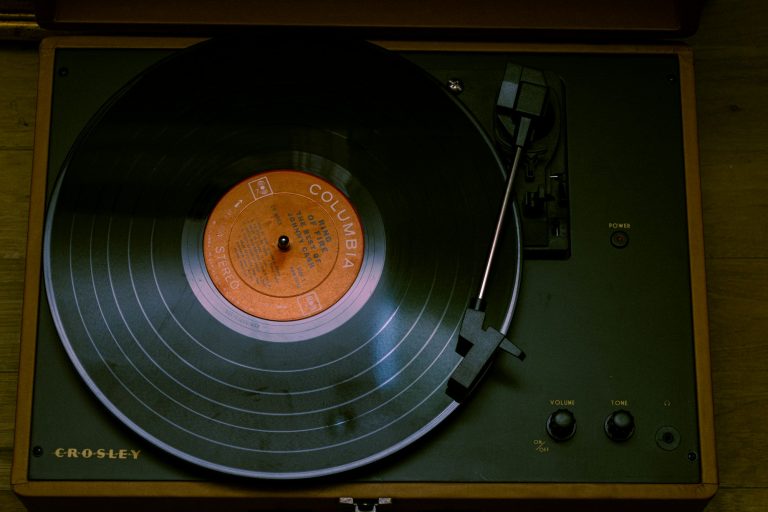
- Music: low and instrumental through dinner, then it stops for a while so the kitchen can be heard. Then one record plays one side through, and nobody turns it over.
- The object you will notice: the chair — an ordinary kitchen chair with a thick wool cushion that is not in the room when you arrive.
- Formality: two of five (2/5).
- Not this: a faux restaurant after-shift party with foil pans, a leftovers bar and chef whites worn as a joke.
The table
| The Loaf Is Still Singing | Warm bread torn at the table, its crust still crackling, with browned butter and miso. GF |
| For the Good Plates | Raw tuna sliced thin on the good china, because the first table deserves some precision. V equal |
| All Afternoon at Three Hundred | A lamb shoulder that had the oven to itself all afternoon, pulled apart at the table with two forks. V · GF · DF equal |
| The Heel of the Loaf | The bread nobody cut at dinner, fried in the roasting fat, with a green sauce that makes you blink. V |
| Better by Now | Gingerbread baked this morning, which is exactly why it is good tonight. GF · DF on request |
| One for the Cook | Hot rum that tastes of browned butter, in a warm cup. |
| The Last Tray In | Roasted apple and ginger, no alcohol, just as grown-up, in the same cup. |
| Mencía for Both Tables | A cool, peppery red that sits at dinner and stays for supper. |
Marks: V vegetarian · GF gluten-free · DF dairy-free; an equal is a matching plate for that need, served at the same moment. Tell the host about an allergy at the door; each route has its own board, knife and pan.
Is this your night
For anyone who cooks for people they like and keeps missing the best part of their own dinners; it is easiest for six to ten guests in a house with a kitchen you can sit in. Skip it if you want the evening to end when the plates are cleared, or if what you really want is to dance.
How to say no to any of it
A guest who would rather not move to the kitchen stays where they are: the first table gets the same food, the same cups and a visit from the host, and nobody is fetched. A small plate of the late food is set down anyway, and an empty one is taken away without comment. The Last Tray In goes out on the same tray, at the same moment, in the same cups as the rum, and nobody calls it “the non-alcoholic one.” Anyone who starts to help hears one sentence, once, kindly: “Leave it. It’s not happening tonight.” Coats are by the door, not behind the second table, so leaving early is easy; the host walks you out and comes back to the chair.
Access
The route from the dining room to the kitchen stays clear, at least three feet wide, with nothing hot at hip height along it. Nobody is invited into the kitchen to work. If a guest can’t easily reach the kitchen — a step, a narrow door, chairs that sit too low — they stay at the first table, it becomes the second table for everyone who likes, and the host joins them there. The only flame is a few short candles, low on the tables and never on the route, the drinks are labeled in words, and the food has routes for vegetarian, gluten-free and dairy-free guests.
What the Premium World Package and Host Pack will hold
This page is the World’s first editorial chapter. The free Field Guide previews its identity and scope; the paid World Package supplies the complete environment, floral, culinary, styling and production system. Links to finished guides and packages appear as those files become available. Between them they will hold the six states of the night written so a host can make them happen, how the second table is planned into the first dinner and kept safe, the day’s clock, the kitchen map, the light and sound cues, and what to do when something fails.
Free, and part of the same night: a recipe on Salt Notes for each of the seven made items, and a look book on Vanity or Vice — how to dress for a night that ends at the kitchen table. Both are being written.
Not on this page
The clock, the kitchen map, the diagrams, the recipe methods, the shopping list, the budget, and how the second table is actually kept, held and served. Those belong to the Premium World Package and Host Pack.
This is not a leftovers party, and nobody here is pretending to be restaurant staff.
Keep reading
- All the Occasion Worlds — the whole map, one night at a time.
- Also in this family: Kitchen Has Opinions, where the kitchen wins the argument before the guests arrive. This one begins after they have eaten.
- Second Rooms Get Planned as Overflow and Feel Like It — why the second table has to be cooked in, not found.
- Everyone Ends Up in the Kitchen. Design for That Instead of Fighting It. — the instinct this whole night is built on.
- The Coffee Station Can End the Night Without Announcing It — on ending an evening by making it warmer, not louder.
Atmosphere OS · Theme Atelier
A palette is not yet a decision.
Atmosphere OS holds the color, the material, the light and the room in one object, so moving any of them shows you what it does to the rest. Costs come back as indicative bands and never as quotes, which is the difference between planning and pretending.
Free to use, local-first in your browser, and there is no account until you ask for one.
If this is your mood
More winter
Field notes and corrections
When a number here turns out to be wrong, you hear about it.
Three things arrive and nothing else. The new field note — bar rates, cover widths, service clearances, the arithmetic worked through on one real evening. A line when a new World or Mini Occasion opens, because a night only goes up once it can actually be thrown. And a correction whenever a rule in the published rulebook changes, or a number the tools rely on turns out to have been wrong. There is no weekly slot, because there is nothing weekly to put in it.
One email per field note or opening, plus corrections when a published figure moves. Unsubscribe from any of them.
Continue through the system
Pretty is still not a plan.
A party gets planned in roughly this order. Pick the chapter where your next problem lives.
What you have to decide next
One decision constrains the next. This is the order they actually happen in.
- Venue Will this room hold it? The Serpentine Table Is Eleven Percent Longer Than the Spec Sheet Says
- Guest experience How will guests move through it? The Place Setting Fits. The Person Does Not.
- Production How does it get built and run? The Event Needs a Failure Mode That Still Looks Intentional
- Vendors Who owns each handoff?
More in this chapter

See the complete five-chapter Event Design Intelligence map →