Occasions & Formats
Design the Party in Chapters: First Drink, Dinner, Then Somewhere Else
Nobody should be seated alone at a fully dressed table waiting for the friend who is five minutes away in the spiritual sense. Let the evening change rooms.
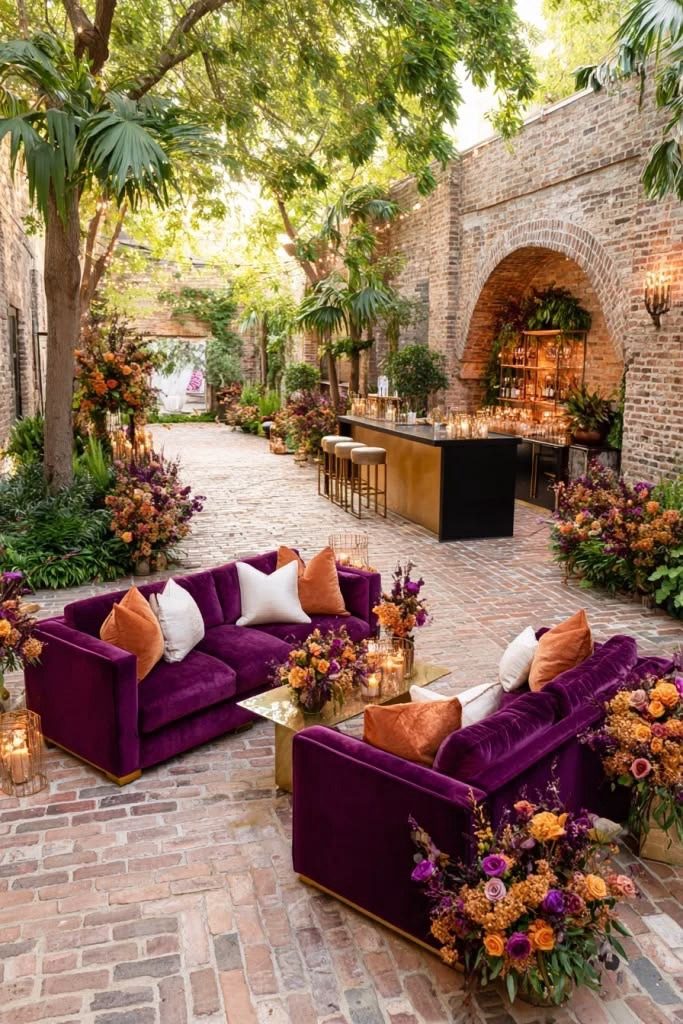
A dinner party does not have to happen entirely within sight of the dining table.
Architectural Digest’s 2026 entertaining coverage is full of bars, listening rooms, game tables, multi-use spaces, and parties that open one room after another. Useful, even if your house does not contain a secret wine room, a sauna, or an architecturally significant basement.
The idea scales. Let the evening change location when the energy changes.
Arrival needs somewhere loose to land
The first drink belongs where uneven timing is not awkward: a kitchen island, porch, living room, garden gate, or small bar. Anything is better than seating the first guest alone at a fully dressed dinner table while everybody waits for the friend who is “five minutes away” in the spiritual sense.
Keep this part easy: drinks, a bite or two, somewhere to put a bag, and enough room for the conversation to grow as people trickle in. Arrival is the part of the evening guests remember whether you planned it or not.
And do not feed everybody so aggressively at 6:30 that dinner becomes a rumor.
A bar can give this opening chapter focus, but it should support movement rather than become a shrine. Pre-batch what can be batched. Put water somewhere separate. Give zero-proof drinks equal visibility instead of treating them like an administrative afterthought.
Dinner should feel different, not necessarily far away
You do not need curtains or a reveal worthy of Broadway. Change one thing.
Light the candles when dinner is actually ready. Shift the music. Open a door. Move outside. Bring out the main platter. Let one sensory cue tell the room that the next part has started. Bigger events run on the same logic, just with buffers written into the timeline.
This is one of the places where “extra” works best when it is disciplined. I love an event with layers. I do not need six decorative stations proving the house has six rooms.
A new location needs a job: better acoustics, softer seating, cooler air, a fireplace, a game, dessert, a view, a smaller conversation group. If guests are being moved only so they can admire another vignette, congratulations, you have designed a house tour with snacks.
Save something for the people who stay
A good late-night chapter has one thing that was not already on display: dessert, a bottle held back, a game, a record, a tray of small cocktails, a fire outside, coffee made properly instead of produced apologetically from a machine nobody has cleaned since February.
The route matters too. Clear doorways. Light stairs. Make outdoor paths visible. Moving people between rooms only works if the next room is obvious without anyone announcing it.
First drink. Dinner. Somewhere softer. One last thing.
The chapter can change without changing rooms
A house with one useful entertaining space can still have an evening with movement. The shift can be behavioral instead of architectural. Clear the dinner plates and bring one large dessert to the center. Move drinks from the kitchen counter to a side table. Turn the music up slightly. Pull two chairs away from the table and toward the fireplace. Open the windows. Close them. Light the lamps that were off during dinner.
The point is to change what the room is asking people to do. Guests notice that faster than they notice another decorated surface.
Move belongings as little as possible
There is a practical reason people resist a beautifully planned migration: their coat is on one chair, their bag is under another, their drink is in their hand and they have finally found the person they wanted to talk to. Every move has friction.
So keep the personal stuff anchored if you can. Give coats and bags a real home early. Let glasses travel or provide the next drink where people are going. Do not require everyone to collect three possessions before dessert. A transition should feel like the evening opening, not like boarding a connection.
Let the empty room quietly reset
Once people leave one zone, that space can quietly recover. Clear the kitchen while everyone is at dinner. Reset the living room while dessert is outside. Put breakfast things away before the late drink moves back through the house. This is not glamorous, but it is one of the reasons a phased evening can feel unusually calm.
The host should not disappear for twenty minutes to accomplish the reset. Decide what truly has to happen and what can wait until morning. A room only needs to be ready for its next job, not restored to archaeological condition while guests are still there.
Leave a little slack between chapters. The last person finishing dinner should not have to abandon a plate because dessert has already opened in the next room. A transition works when people can feel it coming and move at slightly different speeds without missing the point.
Good pacing is generosity.
That is enough plot. More is available, but more should always have a reason.
Atmosphere OS · Moodboard-to-Plan
Turn the reference images into something buildable.
Moodboard-to-Plan reads the direction and returns layered plans in vendor language, with the material and lighting consequences attached. Every judgment runs against a written rule rather than a fresh guess.
Costs come back as indicative bands rather than quotes, and seasonal notes are filters rather than promises.
Field notes and corrections
When a number here turns out to be wrong, you hear about it.
Three things arrive and nothing else. The new field note — bar rates, cover widths, service clearances, the arithmetic worked through on one real evening. And a correction whenever a rule in the published rulebook changes, or a number the tools rely on turns out to have been wrong. There is no weekly slot, because there is nothing weekly to put in it.
One email per field note, plus corrections when a published figure moves. Unsubscribe from any of them.
Continue through the system
Pretty is still not a plan.
A party gets planned in roughly this order. Pick the chapter where your next problem lives.
What you have to decide next
One decision constrains the next. This is the order they actually happen in.
More in this chapter
See the complete five-chapter Event Design Intelligence map →