Design & Florals
Draping Is Architecture Once It Leaves the Table
Event draping changes scale, sightlines, light, acoustics, circulation, rigging, airflow, installation and cost. Treat fabric as architecture, not decorative yardage.
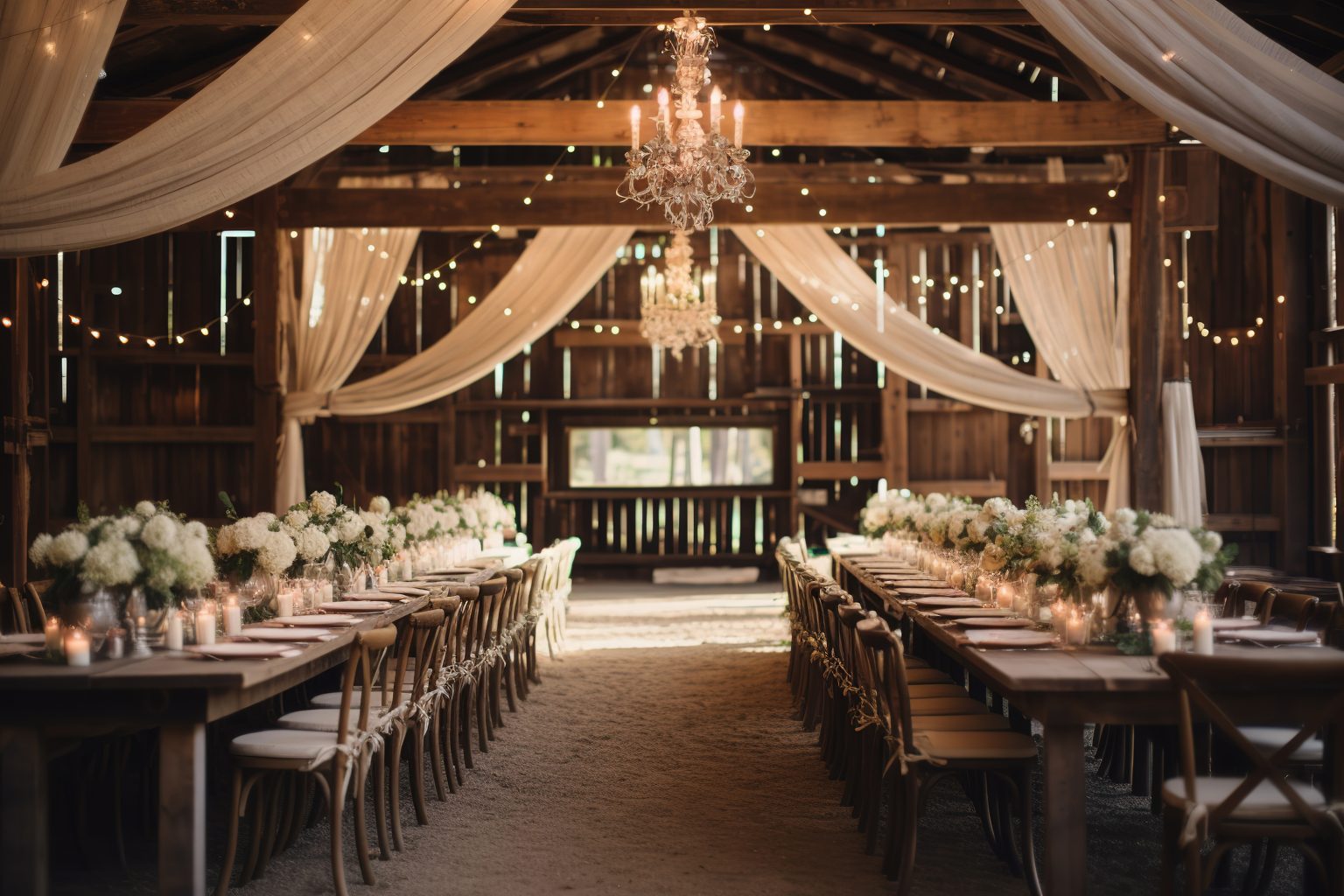
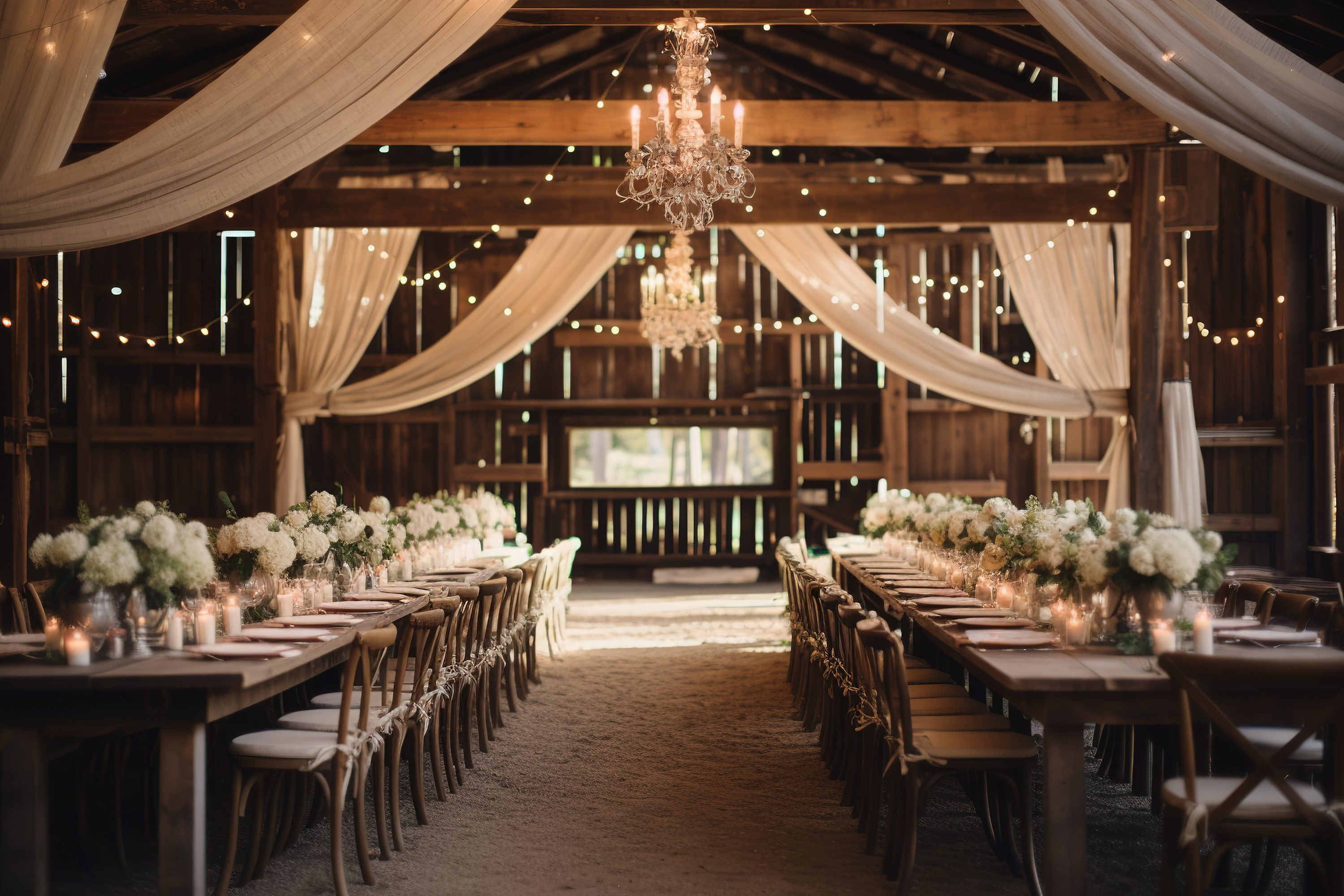
Draping is having a very good year. Fabric is climbing walls, crossing ceilings, framing entrances, wrapping structural columns, softening tents, dividing rooms, and generally behaving as though the tablecloth was only a temporary assignment.
That is useful because fabric can change a room faster than a pile of small decorative objects ever will. It also forces the event to admit something important: atmosphere has structure.
Draping can belong at a wedding, gala, birthday, fundraiser, dinner, brand event or temporary installation. The format changes. The fabric still has to behave.
Decide what the draping is actually doing
Draping can hide an ugly surface, lower the apparent ceiling, frame a ceremony or program, create a threshold, soften a tent, divide a large room, redirect attention, conceal service infrastructure, or become the main scenic gesture. Those are different jobs.
If the job is not clear, fabric becomes expensive atmosphere fog. A room covered in cloth is not automatically more intentional than a room covered in flowers. More material still needs a reason.
Sketch the drape as architecture before anyone orders yardage. Atmosphere OS is where I would do that thinking.
Measure the room the fabric will change, not the room on the brochure
Columns, doorways, windows, sprinkler systems, vents, chandeliers, speakers, emergency devices, architectural trim, stages, bars, service doors, and odd ceiling transitions all matter once draping becomes spatial. A clean elevation drawing is useful. A site visit is better.
Then ask what must remain visible and accessible. Fixing one ugly wall by quietly hiding the thermostat, service door, exit sign, or equipment somebody needs in forty minutes is not a fix.
Rigging is not a styling decision
Once fabric is overhead, suspended, tensioned, or attached to building structure, the installation belongs in the venue’s rigging and structural process. Approved attachment points, loads, hardware, lifts, qualified riggers, engineering where required, and venue rules must be established by the appropriate professionals.
A room covered in cloth is not automatically more intentional than a room covered in flowers.
Do not look at a beam and decide it appears emotionally available. The venue installation restrictions that govern florals apply to fabric just as directly.
Fire and life-safety rules are part of the material palette
Fabric can interact with flame, lighting equipment, sprinklers, detectors, exits, egress routes, electrical equipment, and venue fire requirements. Which means the fabric you fell in love with may be the one thing the building will not allow. Find that out at the site visit, not at load-in.
This is not the paragraph where an event blog invents a universal clearance number and sends everyone into the world feeling strangely confident. Requirements vary. Verify them. The design can remain dramatic without pretending fire code is a mood.
Fabric changes light twice
First, it changes what light hits. Second, it changes what light comes back. Velvet eats light. Pale sheers diffuse it. Satin can throw highlights. Deep color can make a room feel richer and darker at the same time. White fabric can turn cool or gray under the wrong source.
Test lighting and fabric together. Do not approve one in daylight and the other from a rendering. I already insist that lighting is a first design decision. Draping makes that rule even more important because the material becomes a giant reflective or absorptive surface.
Air moves fabric even when nobody invited it
HVAC supply, open doors, tent sides, fans, exterior wind, and even heavy guest circulation can move lightweight fabric. That movement may be beautiful. It may also push cloth into candles, signage, speakers, place settings, doorways, or guests.
For outdoor or tented installations, wind and weather require professional evaluation and a real contingency plan. The elegant version is controlled movement. The less elegant version is a backdrop attempting to leave before the guests do.
Floor pooling needs to survive shoes, chairs, and service
Generous fabric pooling looks lush because excess material signals abundance. It also occupies floor area. At a backdrop, that may be manageable. Along a guest route, beside dining chairs, around a bar, or near service circulation, it may create an avoidable problem.
Decide where fabric can be theatrical and where it needs discipline. The guest does not become less deserving of a clear path because the hem is photogenic.
Draping can improve acoustics, but do not make promises it cannot keep
Soft materials may help reduce some reflections in hard rooms, but event acoustics depend on the space, sound system, coverage, audience, surfaces, speaker placement, and many other factors. Treat acoustic benefit as something the audio team evaluates rather than a reason to order fabric by the mile.
If speeches matter, test speech intelligibility in the finished configuration. A beautiful room can still swallow every important word.
Installation sequence can decide whether draping is affordable
Large fabric installations may need lifts, clear floors, access before furniture arrives, rigging time, steaming, dressing, lighting focus, and final adjustments. That sequence needs to coordinate with florals, AV, rentals, catering, staging, and venue operations.
The guest does not become less deserving of a clear path because the hem is photogenic.
If the fabric installer can work only after tables are set because nobody coordinated the schedule, the room has become harder for no design reason at all. Labor spent negotiating around finished work is still labor.
Strike is where all that romance becomes yardage
Fabric must come down, be handled, folded or packed, inspected, and moved out within the venue’s strike window. Confirm who removes it, whether lifts are needed again, what comes down first, where material lands, and how it stays out of the path of other crews.
Designing the install without designing the strike is how midnight acquires a personality.
Use draping where it changes the room
One unapologetic fabric move that changes scale, direction, light, or atmosphere can do more than covering every available surface because draping is trending. A ceiling canopy that lowers an oversized room can be transformative. A rich entrance portal can teach the guest what kind of night this is. A single wall of pleated color can do more than seventeen little moments asking separately to be noticed.
Pick the one move that changes the room, work it out in Atmosphere OS, and let the rest of the bolt stay on the truck.
Space Lab
The floor plan is a drawing. The license is a fact.
Start with the event you are actually planning and test the room against it. Space Lab does not claim that a date is free, a price is current or a license is valid; those remain direct-confirmation questions outside the room model.
No account required for the core room work. Missing measurements and unanswered questions stay visible.
Field notes and corrections
When a number here turns out to be wrong, you hear about it.
Three things arrive and nothing else. The new field note — bar rates, cover widths, service clearances, the arithmetic worked through on one real evening. And a correction whenever a rule in the published rulebook changes, or a number the tools rely on turns out to have been wrong. There is no weekly slot, because there is nothing weekly to put in it.
One email per field note, plus corrections when a published figure moves. Unsubscribe from any of them.
Continue through the system
Pretty is still not a plan.
A party gets planned in roughly this order. Pick the chapter where your next problem lives.
What you have to decide next
One decision constrains the next. This is the order they actually happen in.
More in this chapter


See the complete five-chapter Event Design Intelligence map →
You must be logged in to post a comment.