Atmosphere
A Coat, a Gift, and No Idea Where to Stand
A good arrival doesn't perform hospitality at guests. It removes the first few decisions they would otherwise stand in the doorway solving alone.
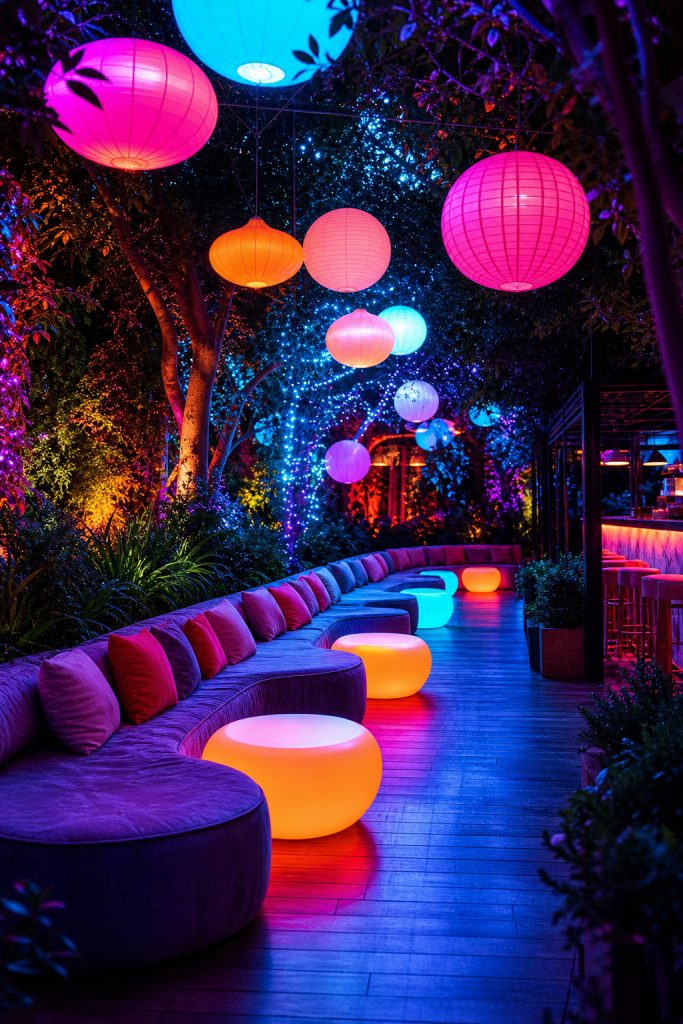
The welcome moment is easy to overdecorate because it is the first thing guests see. A sign gets larger. Flowers gather around the entrance. Someone invents a photo moment. Meanwhile a guest is standing just inside the door holding a coat, a gift, and the uncomfortable suspicion that everyone else received instructions they somehow missed.
A good arrival does not perform hospitality at guests. It removes the first few decisions they would otherwise have to solve alone. The entrance says where to go. A person or object gives permission to settle. Belongings have somewhere to live. The first social cue is obvious enough to follow without turning the threshold into a reception desk.
Start one step before the decorated entrance
Walk the arrival from the place a guest actually appears: parking, rideshare drop-off, shuttle stop, sidewalk, hotel lobby, garden gate, elevator, or front drive. The welcome begins there, not at the floral installation twenty yards later.
- Can guests identify the correct entrance without stopping traffic or wandering?
- Is the route usable after dark and in the expected weather?
- Does the accessible route arrive at the same meaningful welcome rather than a service-side afterthought?
- Is there a place to wait if transportation, doors, or check-in are briefly delayed?
- Do deliveries and vendor carts cross the same path at guest-arrival time?
For the larger sequence, The Guest Journey Is a Floor Plan You Can Feel covers the whole route. Here I am only interested in the first few social minutes, and how to make them feel deliberate without feeling choreographed.
Give the threshold one clear answer
At the door, guests are usually trying to answer a small set of questions very quickly: Am I in the right place? Where do I go next? What do I do with what I am carrying? Is the event already underway, or may I pause here?
A good arrival does not perform hospitality at guests. It removes the first few decisions they would otherwise have to solve alone.
Do not make every decorative object compete to answer. Choose one dominant cue: an open view into the gathering space, a host or greeter positioned where arrivals naturally look, a pool of light, a clearly used coat area, or a simple sign where the architecture genuinely needs explanation.
The cue should feel native to the atmosphere. A candlelit dinner might use warm light and a visible host. A large formal event may need staffed orientation. A garden gathering may rely on a clear path and sound from the occupied space. The method changes; the relief is the same.
Solve coats, bags, gifts, and umbrellas before offering another object
Guests arrive carrying evidence of the outside world. Cold-weather events bring coats and wraps. Rain brings umbrellas. Celebrations may bring gifts, cards, flowers, strollers, or overnight bags. A welcome drink is less charming when the guest has no free hand to receive it.
Give belongings a real place to go before the first big social cue. That may be coat check, a staffed room, discreet hooks, a secure gift location, stroller parking, or simply a clearly usable surface in a small home event. Keep valuables and sensitive items under appropriate secure handling rather than decorative convenience.
Let the first social cue look usable
A perfectly untouched lounge can read like a display. A bar that looks like a styled still life can make guests wait for permission. A line of empty chairs against a wall can feel more like a holding area than an invitation to gather.
Make the welcome space operational before the first arrival. Staff know their positions. Seating is approachable. Glass return has a destination. The route to water, restrooms, or the next room is understood. Lighting is already in its guest-facing state. Nothing needs to be “activated” by the first person brave enough to disturb it.
Use one sensory cue to establish the atmosphere
The welcome does not need to preview every design idea. One strong sensory signal is enough to tell guests what kind of evening they have entered: a deep pool of warm light, a specific musical texture, cool stone and dark greenery, candle reflection on glass, a fragrant garden threshold where scent will not overwhelm guests or food, or a material repeated later in the room.
Restraint helps the event develop. If the entrance contains the full palette, the largest flowers, the loudest music, the photo wall, the favors, the bar, and the principal installation, the evening has nowhere left to reveal itself.
Protect guests who arrive alone or late
The easiest arrival to design is two confident guests appearing exactly when expected. Test the welcome with someone arriving alone and with someone arriving after the room has already shifted into its next phase.
A guest arriving alone benefits from an obvious human point of contact and a clear place to join without crossing the entire room under observation. A late guest needs a current route, not the entrance plan that existed thirty minutes earlier. Decide who notices late arrivals and quietly brings them into the live version of the event.
Keep accessibility in the main composition
Check the complete installed route for mobility, vision, hearing, sensory, and other access needs guests have chosen to share. Decorative stands, cords, floral urns, queue lines, rugs, and furniture can narrow a route that appeared generous on the venue plan.
Where formal accessibility requirements or specific accommodations are involved, confirm them with the venue and appropriately qualified or official sources. From a design standpoint, the principle is simpler: nobody should have to enter through a lesser version of the event because the prettier route was built for only one kind of body.
Build the weather version into the welcome
Rain, heat, cold, wind, and darkness change what guests need before they are ready to socialize. The weather version may require covered drop-off, mats, umbrella handling, wraps, water, shade, better exterior light, a shorter queue, or a different entrance altogether.
A late guest needs a current route, not the entrance plan that existed thirty minutes earlier.
If the weather plan moves the event indoors, redesign the arrival to that interior rather than making guests pass through a dead version of the outdoor welcome first. Your Rain Plan Is Not a Tent covers the bigger backup plan.
Keep photography from becoming the first obligation
A beautiful entrance can certainly photograph well. It becomes less welcoming when every guest must immediately pose, sign something, answer a prompt, collect a favor, or participate in an activation before they are allowed to settle.
If a photo or interactive moment is important, place it where participation can be chosen after orientation rather than used as a toll booth at the threshold. The first task of the welcome is belonging, not content production.
Rehearse the move into the next chapter
The welcome is finished when guests no longer need it. Decide how the room shifts from arrival into the main event: doors open, lights change, staff move, music changes, a host invites people forward, or the gathering simply disperses into dinner or programming.
Coats, gifts, glasses, umbrellas, mobility devices, and late arrivals still need a plan after that transition. The welcome should hand guests into the next chapter without leaving its practical debris behind.
The best welcome makes itself unnecessary
Intentional does not mean elaborate. A front door, one warm lamp, a place for coats, and a host who is actually available can outperform an expensive entrance that makes guests ask what they are supposed to do.
Design the first minutes around relief: I am here. I know where to go. My belongings are handled. I can join. Then let the event become more interesting after the welcome has quietly done its job.
Atmosphere OS · Theme Atelier
A palette is not yet a decision.
Atmosphere OS holds the color, the material, the light and the room in one object, so moving any of them shows you what it does to the rest. Costs come back as indicative bands and never as quotes, which is the difference between planning and pretending.
Costs come back as indicative bands rather than quotes, and seasonal notes are filters rather than promises.
Field notes and corrections
When a number here turns out to be wrong, you hear about it.
Three things arrive and nothing else. The new field note — bar rates, cover widths, service clearances, the arithmetic worked through on one real evening. A line when a World opens, because a night only goes up once it can actually be thrown. And a correction whenever a rule in the published rulebook changes, or a number the tools rely on turns out to have been wrong. There is no weekly slot, because there is nothing weekly to put in it.
One email per field note or opening, plus corrections when a published figure moves. Unsubscribe from any of them.
Continue through the system
Pretty is still not a plan.
A party gets planned in roughly this order. Pick the chapter where your next problem lives.
What you have to decide next
One decision constrains the next. This is the order they actually happen in.
More in this chapter

See the complete five-chapter Event Design Intelligence map →