Production & Hosting
How to Plan a Wedding Without Letting the Checklist Plan You
A centerpiece cannot solve a venue problem. Plan the wedding in the order decisions actually depend on each other, and let the pretty choices come after.
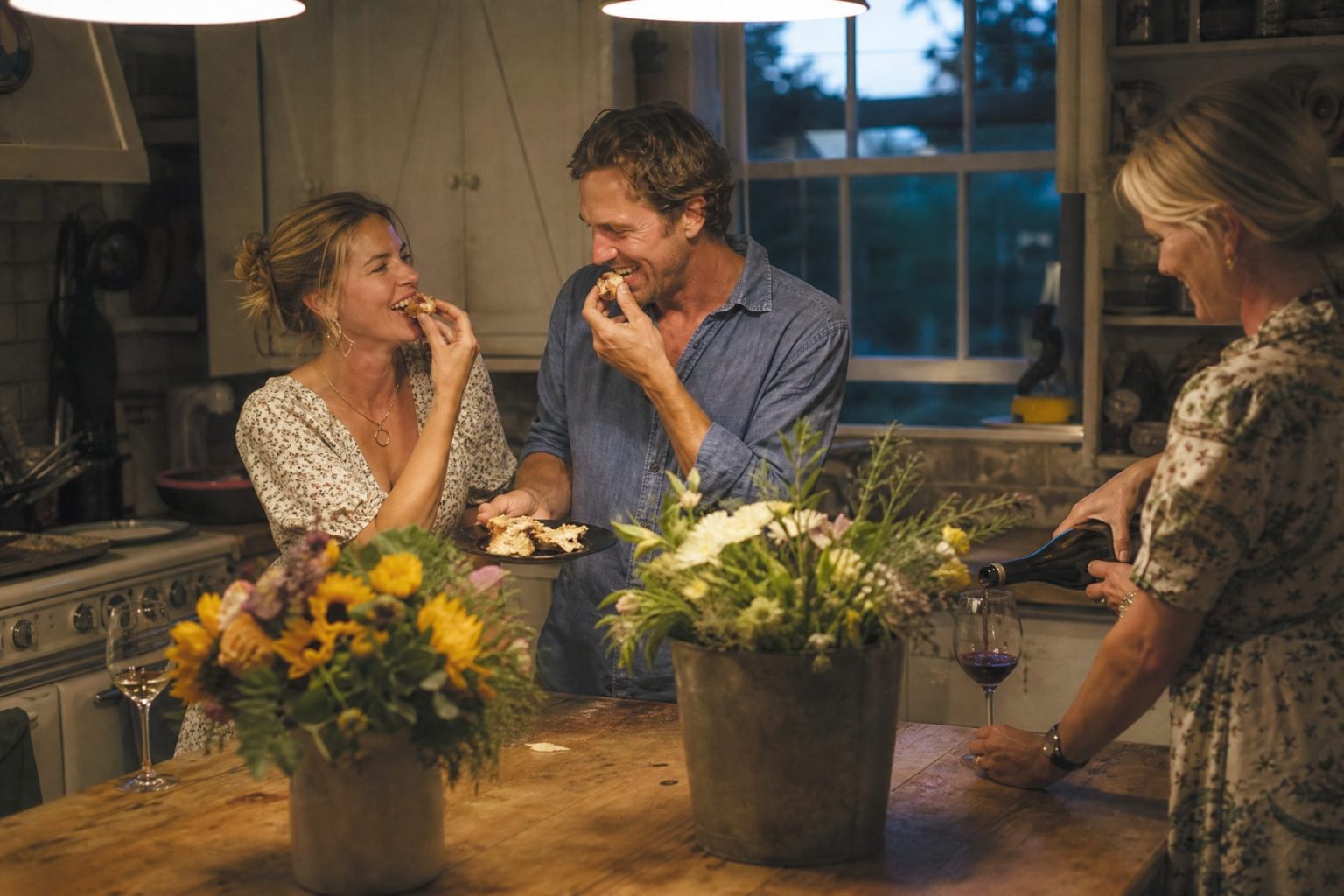
Wedding planning turns chaotic when every decision gets treated as equally urgent, and they are nowhere near equal. A centerpiece cannot solve a venue problem, and a gorgeous invitation does nothing for a guest count the room cannot hold. Even the timeline everyone fusses over cannot rescue a plan where nobody was ever put in charge of anything.
So build the wedding in dependency order. Settle the things that constrain everything else first, then let the expressive choices sit on a structure that can actually hold them.
1. Define the human result before the visual result
Start with one sentence that describes what the celebration should do for the people in the room. Not what it should look like. What should guests experience?
Examples might include: intimate dinner with long conversations; high-energy dance party with a short formal program; relaxed outdoor weekend with generous downtime; formal evening that still feels easy to navigate.
This sentence becomes a filter. If a later idea makes the event less comfortable, less legible or less like the intended experience, it has to earn its complication.
2. Set a working guest-count range
You do not need the final list on day one, but you do need a credible range. Guest count affects venue capacity, food and beverage commitments, rental quantities, transportation, staffing, restrooms, seating, invitation volume and the amount of room people need to move.
Use three numbers: likely, minimum and maximum. If the plan only works at one exact headcount, it is too fragile.
3. Set the all-in ceiling, not just a vendor budget
A planning budget should include the event as a whole: venue, required services, production, rentals, transportation, taxes and fees, setup and strike, contingency and any guest-facing commitments the host intends to cover.
Then separate the budget into protected commitments, flexible experience spending and contingency. This prevents decorative enthusiasm from quietly spending money already needed for infrastructure.
If the plan only works at one exact headcount, it is too fragile.
When it is time to divide the money, read How to Spend the Budget Where the Atmosphere Actually Changes.
4. Choose the date and venue together
Date and venue are connected. Availability, weather, daylight, travel, parking, load-in, noise rules, backup space and vendor access can change the entire event.
Do not choose a room only because the photographs are persuasive. Read the working conditions. That is exactly what Space Lab is for.
5. Identify the long-lead dependencies
Once the venue and date are credible, identify what must be secured early because later decisions depend on it. This varies by event, but it often includes key vendors, transportation, major rentals, lodging blocks, permits or venue-required services.
The rule is simple: book the items that can break the plan before the items that merely finish the look.
6. Decide where guest information lives
Guests need one reliable version of the truth. Decide where information will live and who updates it. Invitations, a wedding website, email and printed materials should agree on the essential facts.
Track names, households, contact information, RSVP status, accessibility needs, dietary information where relevant, transportation needs and event attendance. A guest list is working information, not just a mailing list for the stationer.
7. Design the look once the structure exists
Now the visual work becomes useful. Build palette, material, floral direction, lighting and atmosphere around the real venue, real guest count and real sequence.
The rule is simple: book the items that can break the plan before the items that merely finish the look.
Use Design Atelier to turn inspiration into a visual direction you can carry through the whole room instead of buying a room full of unrelated pretty objects.
8. Plan movement and transitions
A wedding is not one room photographed at its best angle. It is a sequence: arrival, orientation, ceremony or opening moment, transitions, drinks, meal, speeches, dancing, quieter spaces, departure and breakdown.
Walk the event as a guest, and watch the four things a walkthrough actually reveals: where people pause, where lines form, whether the same route works for someone with limited mobility, and whether service can cross the room without colliding with guests.
Planning the floor around the guest journey goes much further into this.
9. Assign ownership before the final week
Every consequential task needs a person, a deadline and a current source of information. Avoid vague ownership such as “the family will handle it.” Name the person who confirms transportation, holds vendor contacts, answers venue questions, moves personal items and makes the weather call.
The host should not become the emergency switchboard on event day.
10. Build the alternate plan while the primary plan is still calm
Weather is the obvious example, but contingency also includes late deliveries, transportation delays, unavailable spaces, equipment failure and schedule compression.
A backup plan needs triggers. “If rain is heavy by 2 p.m., ceremony moves indoors” is usable. “We have a tent if needed” is a hope. Your Rain Plan Is Not a Tent explains why.
The planning order in one page
- Define the human result.
- Set a guest-count range.
- Set the all-in budget ceiling.
- Choose date and venue together.
- Secure long-lead dependencies.
- Decide where guest information lives.
- Develop the visual direction.
- Map movement and transitions.
- Put a name on every consequential task.
- Give the alternate plan real triggers.
If an idea shows up before the decision that governs it, park it. Nobody needs to make more decisions faster. Make the right ones early enough that the later ones stop fighting each other.
Atmosphere OS · Arc Studio
Write the order of the night before you book the band.
Arc Studio turns an intended feeling into a sequence with times against it and a production brief a crew can read on the day. Costs come back as bands and seasonal notes as filters, never as guarantees.
The rulebook is public. Every formula it runs on is written down where you can disagree with it.
Field notes and corrections
When a number here turns out to be wrong, you hear about it.
Three things arrive and nothing else. The new field note — bar rates, cover widths, service clearances, the arithmetic worked through on one real evening. A line when a World opens, because a night only goes up once it can actually be thrown. And a correction whenever a rule in the published rulebook changes, or a number the tools rely on turns out to have been wrong. There is no weekly slot, because there is nothing weekly to put in it.
One email per field note or opening, plus corrections when a published figure moves. Unsubscribe from any of them.
Continue through the system
Pretty is still not a plan.
A party gets planned in roughly this order. Pick the chapter where your next problem lives.
What you have to decide next
One decision constrains the next. This is the order they actually happen in.
More in this chapter



See the complete five-chapter Event Design Intelligence map →