Occasions & Formats
Celebrate the Good News Before It Becomes a Production
Not every piece of good news needs a guest list and a theme. Build a two-to-four-person celebration quickly, personally and without turning joy into project management.
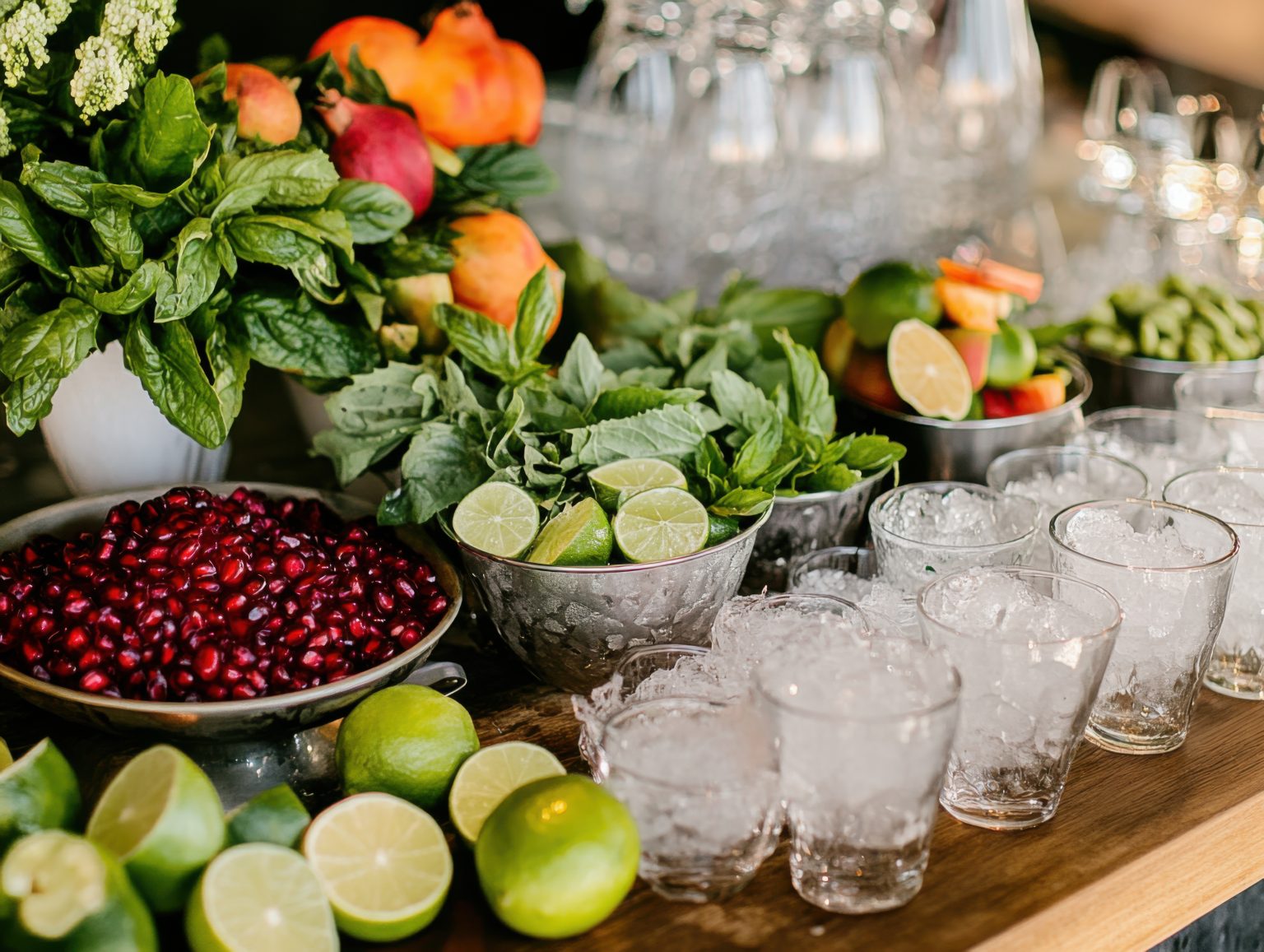
Somebody gets good news on a Tuesday. By Thursday there is a group text, a shared calendar, four date options and a party that will happen in November.
By November it is not news any more. It is the anniversary of news, which is a duller thing to raise a glass to and much harder to get people to drive for.
A promotion, an accepted offer, a medical all-clear, a house that finally sold, a hard conversation somebody survived: any of these can be marked the same week, with two to four people, in about ninety minutes, and the result is a complete occasion that belongs alongside every other format under occasion formats.
Move before the administrative brain takes over
Good news has a short window where it feels electric. Use that.
You do not need invitations. You need a sentence: we are celebrating this tonight. Pick the place, decide whether food is being cooked or acquired, and make one visible change to ordinary life.
The speed is part of the design. An immediate dinner, drink or dessert says the thing mattered enough to interrupt the week.
Waiting three weeks for perfect availability will certainly produce a bigger event, with more people, better parking and a menu somebody agonized over, and by the time it arrives the emotional temperature will have dropped from celebration to calendar maintenance. Everyone will be pleased. Nobody will be surprised.
Let the reason stay visible
At a small celebration, the reason can disappear surprisingly quickly under generic festive behavior. Champagne, flowers, restaurant, dessert: all perfectly good. But why this night?
Name it.
Make a toast. Write it on a card. Put the signed offer letter, finished manuscript, certificate or absurd little object connected to the achievement somewhere visible for five minutes. If the good news is private, keep it private and mark it with a detail only the people involved understand.
The object is not decor. It is evidence.
This is why personalization beyond the theme matters more at intimate scale. There is nowhere for generic celebration to hide.
Use one indulgence, not a supply chain
Buy the bottle you normally walk past. Order the ridiculous dessert. Pick up flowers that are more extravagant than the dining table strictly requires. Use the restaurant with the impossible parking because tonight the inconvenience has a reason.
One indulgence changes the emotional scale of the evening.
Five indulgences create errands.
Choose the thing that will be noticed most. If the person cares about food, spend there. If the achievement has been a long grind, maybe the indulgence is not cooking. If the room needs to feel changed, flowers or light may carry more weight than another course.
Do not force the person being celebrated to narrate the achievement all night
Small celebrations can accidentally become interviews.
How do you feel? What happened? What did they say? What is next? Are you excited? Tell the whole story again.
Ask enough to let the person enjoy being seen. Then let dinner become dinner.
Not every achievement needs an immediate strategic plan. Sometimes the most hospitable thing is to keep the next step out of the room for an hour.
Change ordinary time with a tiny ritual
Light the candles you usually save. Put the first drink in the good glass. Play one song loudly. Move dessert to the porch. Write the date on the bottle. Take one photograph and then put the phone down.
These are ritual cues at their smallest useful scale. They say this happened and we noticed.
The ritual does not need to become tradition. Though if it accidentally does, that is how family culture gets made.
Four people changes the geometry slightly
With two people, attention is direct. With three or four, conversation starts moving and the host has a little more room to disappear. Do not use that as permission to create a complicated menu.
Choose food that can land together. Put drinks where guests can refill themselves. Let the table be comfortable enough for plates and elbows. If the celebration started spontaneously, use what you already own rather than punishing everybody with a last-minute search for coordinated napkins.
Good news does not require a palette.
Even at four, the food has to land together and the drinks have to refill themselves, which is a plan, however short it is.
Plan the fast version for four (opens in a new tab)
Protect privacy if the news is not public yet
If the promotion, pregnancy, sale, diagnosis, offer or personal milestone has not been announced broadly, the celebration should not become the announcement by accident. No automatic social posting. No group photograph uploaded before the person decides who knows. No background sign that makes the news obvious to people who were not invited into it yet.
Hospitality includes information boundaries.
Ask before posting. Better yet, assume private until told otherwise.
Do not let the evening become a rehearsal for a bigger party
If there will be a larger celebration later, fine. This dinner does not need to preview the theme, test the menu or assign jobs.
Let the small occasion do the job in front of it: mark the moment while it is fresh.
The larger event can have vendors and a spreadsheet if it wants them. Tonight can have noodles, flowers from the grocery store and one bottle with a story attached to it.
Before the news goes stale
- Did the celebration happen close enough to the news to retain its energy?
- Is the reason for gathering visible without becoming a presentation?
- Did you choose one indulgence rather than six errands?
- Can the person being celebrated stop explaining and actually enjoy the night?
- Are privacy boundaries clear?
If yes, the event has done its job.
What actually goes wrong at this size is rarely the food. Somebody posts the photograph before the person in it has decided who gets to know.
Field notes and corrections
When a number here turns out to be wrong, you hear about it.
Three things arrive and nothing else. The new field note — bar rates, cover widths, service clearances, the arithmetic worked through on one real evening. A line when a World opens, because a night only goes up once it can actually be thrown. And a correction whenever a rule in the published rulebook changes, or a number the tools rely on turns out to have been wrong. There is no weekly slot, because there is nothing weekly to put in it.
One email per field note or opening, plus corrections when a published figure moves. Unsubscribe from any of them.
Continue through the system
Pretty is still not a plan.
A party gets planned in roughly this order. Pick the chapter where your next problem lives.
What you have to decide next
One decision constrains the next. This is the order they actually happen in.
More in this chapter



See the complete five-chapter Event Design Intelligence map →