Design & Florals
Mindy Weiss: Personalization Works Best When It Has a Job
Initials on the napkins. A cocktail named after the dog. Mindy Weiss’s work is a reminder that personal is not automatically meaningful; the detail needs a job.
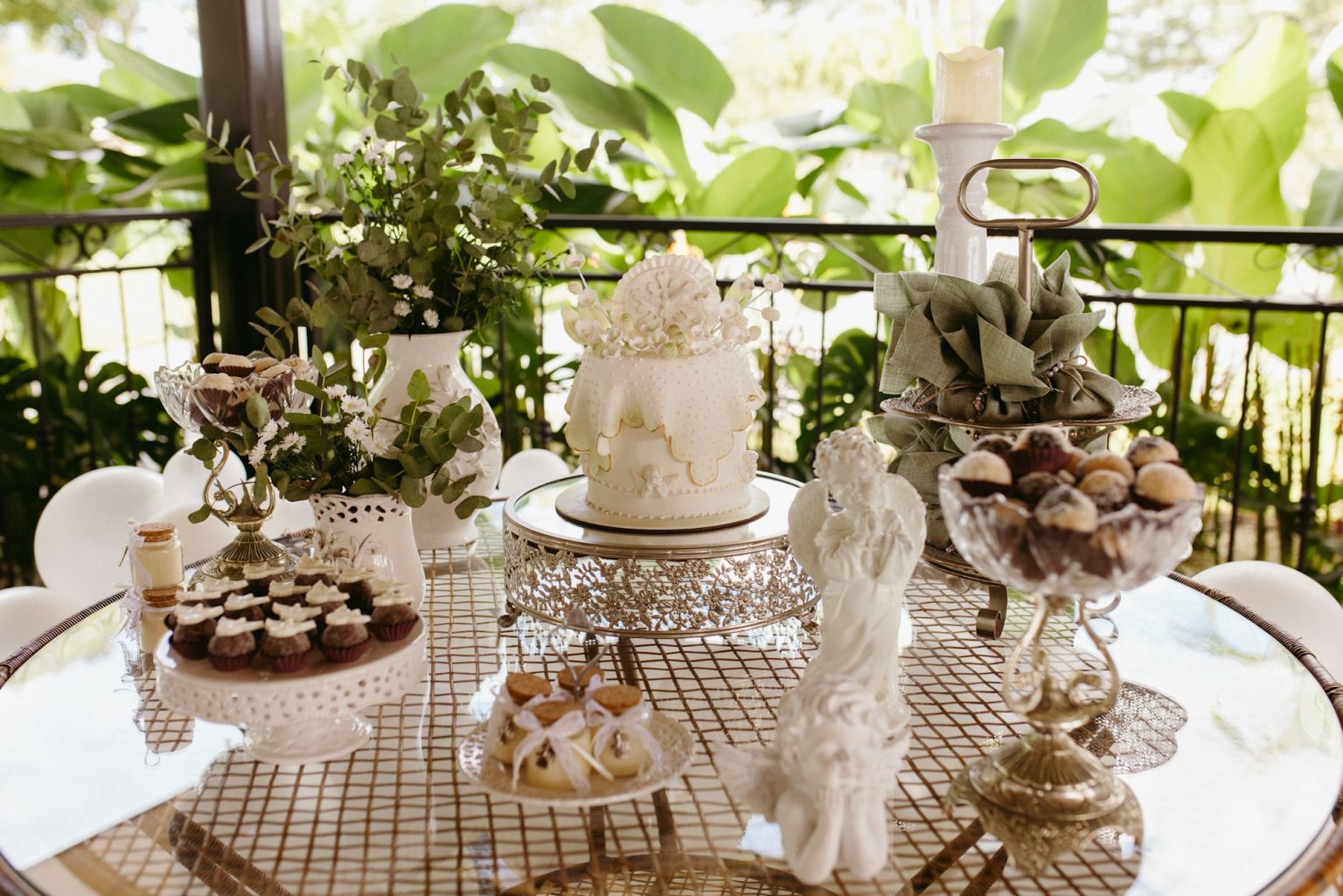
Mindy Weiss has spent decades creating highly visible celebrations, but the principle in her work I find most interesting is surprisingly quiet: the event should belong to the people actually having it.
Her studio describes its approach as custom and personal, with clients infused into the details so no two celebrations look or feel the same. That sounds obvious right up until personalization starts behaving like a scavenger hunt. Initials on the napkins. A cocktail named after the dog. Twelve references nobody outside the immediate family will ever understand. Personal is not automatically meaningful.
The detail needs to actually do something
My version of personalization has a job. It should clarify atmosphere, improve hospitality, deepen a ritual, or make the event genuinely easier to remember.
A family recipe translated into the dinner service carries more weight than a random monogram. A song that changes the energy of the room does more than a custom sign explaining that music matters to the couple. A seating decision built around real relationships is more personal than a favor printed with a date on it.
Weiss’s body of work is a useful reminder that specificity doesn’t require one recognizable visual style from the designer. The event can be romantic, playful, or theatrical, because the client, not the designer’s signature, is supposed to be the actual subject.
Personalization needs real editing
I use a stricter filter here than most people would. Every personal detail competes for attention, and too many of them just create a room full of private jokes with no hierarchy at all.
I choose the references guests can actually experience, not simply notice. The strongest ones go where they already matter most: arrival, food, ceremony, music. Then I stop, before the event becomes an annotated autobiography nobody asked to read.
Personal details have to earn their place
Design from the people outward, then edit from the guest inward. The event should reveal the host without requiring everyone else to decode it like a puzzle.
See the work: Mindy Weiss Party Consultants
Read more: Architectural Digest on Weiss’s event work
Meet the 20 designers shaping this field guide · The Hospitality School of Event Design · Personalization Beyond the Theme
Atmosphere OS · Theme Atelier
Turn the mood into something a florist can quote.
Theme Atelier builds palette, materials, lighting and spatial mood into one system, then writes it in language a vendor can price. Every number it produces comes from a published rule, and the rulebook names the judgments it deliberately refuses to call rules.
The rulebook is public. Every formula it runs on is written down where you can disagree with it.
Field notes and corrections
When a number here turns out to be wrong, you hear about it.
Three things arrive and nothing else. The new field note — bar rates, cover widths, service clearances, the arithmetic worked through on one real evening. A line when a World opens, because a night only goes up once it can actually be thrown. And a correction whenever a rule in the published rulebook changes, or a number the tools rely on turns out to have been wrong. There is no weekly slot, because there is nothing weekly to put in it.
One email per field note or opening, plus corrections when a published figure moves. Unsubscribe from any of them.
Continue through the system
Pretty is still not a plan.
A party gets planned in roughly this order. Pick the chapter where your next problem lives.
What you have to decide next
One decision constrains the next. This is the order they actually happen in.
More in this chapter

See the complete five-chapter Event Design Intelligence map →