Venue Intelligence
The Venue Tour Questions That Expose the Real Event
The hard part of a venue tour is that you are being hosted, and manners make people accept vague answers. Ask the questions that expose consequences.
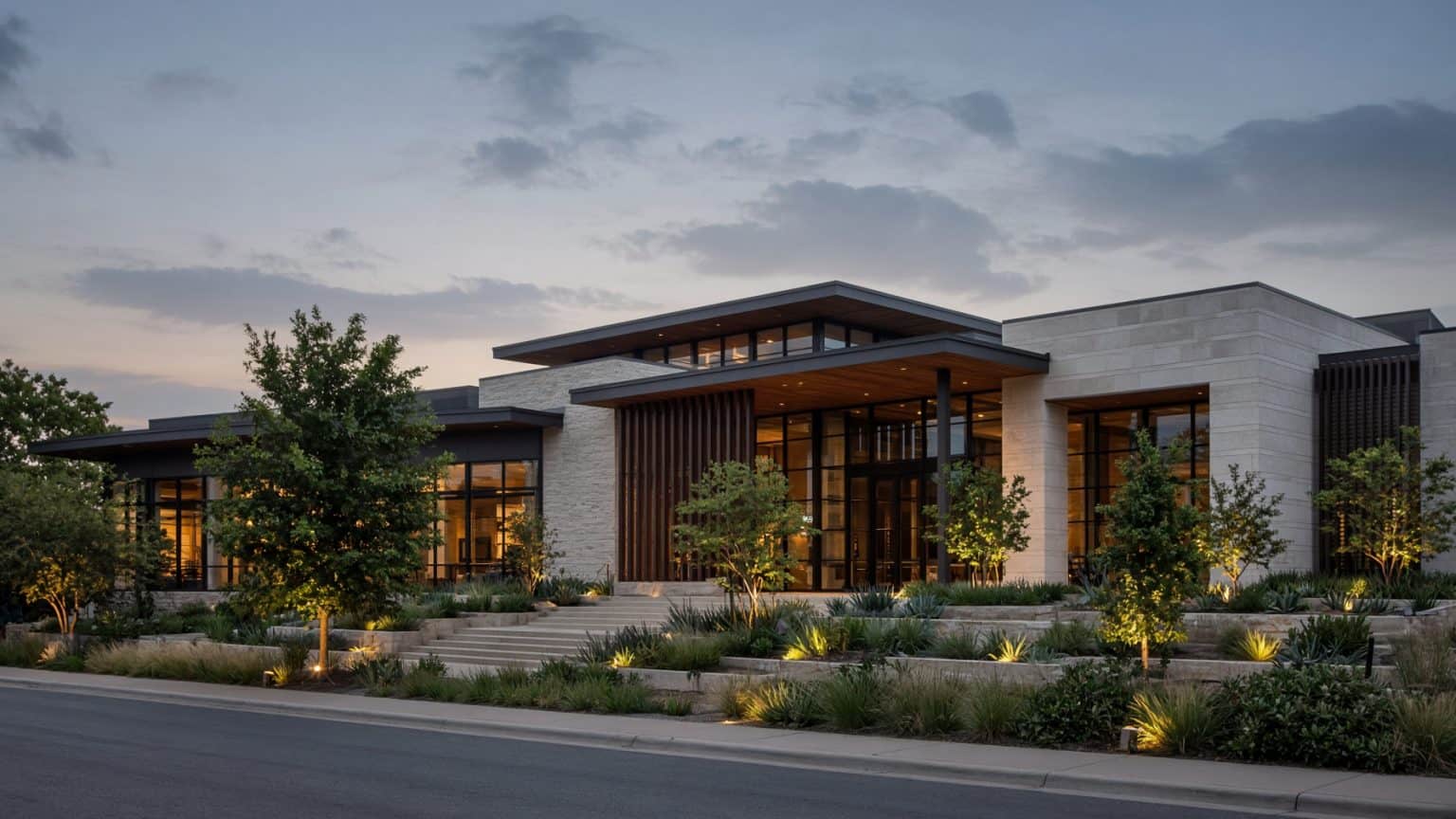
Generated image Made to show what this article describes. Nothing in it was photographed at an event.
The hardest thing about a venue tour is that you are being hosted.
Someone has unlocked a beautiful room for you. They are walking backwards while talking. They have opinions about the light in October. And so you do what any reasonably socialized person does, which is accept a vague answer because pressing on it would feel rude in a space this nice.
A tour is built to make the room look possible. Your job is to find out what the event will ask of it later — after the doors open, after the weather changes, after the service team starts moving and a hundred small decisions all start leaning on the same floor plan.
That does not require a longer checklist. It requires questions that produce consequences instead of reassurance.
The tour starts in the parking lot
Not in the ballroom. Begin at the actual drop-off, the actual parking area, the sidewalk, the shuttle stop — wherever a guest’s evening genuinely begins — and then move through it in order: entrance, coats and gifts, ceremony or opening moment, drinks, dinner, restrooms, the quiet corners, the dancing, the exit.
- Where will a guest first know they are in the right place?
- What part of this route is exposed to rain, heat, wind, darkness, gravel, stairs or distance?
- Is there a continuous accessible route through every essential moment — not most of them?
- Where do people wait when they arrive early, or a room is turning, or the shuttle is late?
- What happens when several groups move at the same time?
No capacity number answers any of that. A polished room can still produce an awkward evening if the sequence wrapped around it is fragile. The Guest Journey Is a Floor Plan You Can Feel maps that sequence properly.
That does not require a longer checklist. It requires questions that produce consequences instead of reassurance.
Somebody has to carry all of this through a door
The service path tells an entirely different story from the front entrance, which is why it is rarely on the tour. Ask to see it anyway: the dock or curb, the freight elevator, staging, kitchen access, how the bar gets restocked, where waste goes, where rentals live, where the florist works, how it all leaves.
- What are the delivery windows and vehicle restrictions?
- Is the elevator shared, reserved, staffed, or mysteriously unavailable after six?
- Where do empty cases, carts, spare inventory and vendor coats live during the party?
- Can staff replenish food, drink and linen without walking through the middle of it?
- When can breakdown start, and what has to be gone by the hard stop?
Every difficult turn becomes labor. Every long carry becomes time. Every missing storage room eventually goes looking for space, and it borrows it from the guest experience.
Stand in the backup room and make yourself picture it full
Physically go there. Then populate it in your head at full guest count. Where are the chairs? What happens to dinner setup? Does the sound still work? Is the accessible route intact? Where do guests stand while the change is happening, and which vendors need more time or different access to pull it off?
Then ask about the mechanism rather than the room: who makes the weather call, by what deadline, based on what conditions, and which costs have already become nonrefundable by then. Your Rain Plan Is Not a Tent covers why shelter is only one piece of it.
The most useful follow-up question in the building
Get the current written rules — flame, rigging, wall and ceiling attachment, confetti, candles, haze, sound, alcohol, catering, generators, moving furniture, outdoor use, photography, pets, security, insurance, permits, approved vendors. Find out who has the authority to approve an exception, because it is often not the person giving the tour.
Then stop asking “is that allowed?” and start asking this instead: if it is not allowed, what has worked here before?
That single reframe turns a restriction into an early design decision and gets you the accumulated knowledge of everyone who has already solved this problem in this building.
Ask what the venue does not provide
First, which charges are mandatory and which are conditional: staffing, security, overtime, cleaning, power, heating and cooling, generators, restroom support, parking, valet, shuttles, kitchen fees, corkage, service charges, furniture moves, elevator operators, tenting, flooring, permits, insurance, damage deposits, extended access.
Then the better question. An empty line in a proposal is not a free line. It is work somebody has to source, schedule, insure, transport, install and remove, and right now that somebody is you.
Confirmed, conditional, unknown, not allowed
Sort every answer that matters into one of those four while you are still standing there. A conditional answer needs a name and a date attached. An unknown needs a source. And a warm, confident “probably” needs to be written down as an unknown, because it will otherwise mature into a production assumption without anyone noticing it was promoted.
What to leave with
- the current floor plan and usable dimensions;
- the current restrictions and venue policies;
- the full fee and inclusion schedule;
- the real guest, service and loading routes;
- the names of the people who own anything still unresolved.
And photographs of the unflattering things: the awkward corner, the dark exterior path, the service door, the backup room, the spot where two routes collide. Nobody has ever needed a fourth photograph of the chandelier. You will need the one of the loading corridor twice a month until the event happens.
An empty line in a proposal is not a free line.
Tour for the event behind the photographs
A good venue does not have to be effortless or free of restrictions. It has to be understandable. When the trade-offs are visible, the design gets to work with the building instead of spending four months trying to outwit it.
So walk it with the real cast in mind: the wet arrival, the loaded cart, the guest who needs to sit down, the late shuttle, dinner service, the last rental case going out the door at midnight. If the room still feels right once those people are in the picture, then the beauty has something underneath it.
Confirm current capacity, accessibility, fire and life-safety requirements, contracts, insurance, permits, alcohol service, structural limits, and other regulated conditions directly with the venue and the appropriate qualified or official authority.
Venue Intelligence
Most of these rooms have not answered the question yet.
For the large majority of rooms on record, no source of any class addresses the point you are asking about, and Venue Intelligence shows you the blank instead of filling it with something plausible. The silences turn out to be the useful part.
No account. The gaps in the record are displayed rather than smoothed over.
Continue through the system
Pretty is still not a plan.
This field note belongs to a larger event-design system. Follow the chapter that explains the next pressure point instead of falling back into an undifferentiated archive.
What you have to decide next
One decision constrains the next. This is the order they actually happen in.
- Guest experience How will guests move through it? When Prismm Goes Dark: The Deadline Is September, Not December
- Production How does it get built and run? Ask It Twice: Why the Same Evening Comes Back With Five Different Answers
- Vendors Who owns each handoff? The Generator Was Late. The Washrooms Were Waiting.
- Contingency What happens if the weather turns? The Storm Wasn’t the First Failure
More in this chapter

See the complete five-chapter Event Design Intelligence map →