Occasions & Formats
Brunch Has Different Manners Than Dinner
A brunch is not dinner with eggs. Daylight, arrival pace, seating, drinks, weather and the natural end of the event all behave differently, so the design should too.
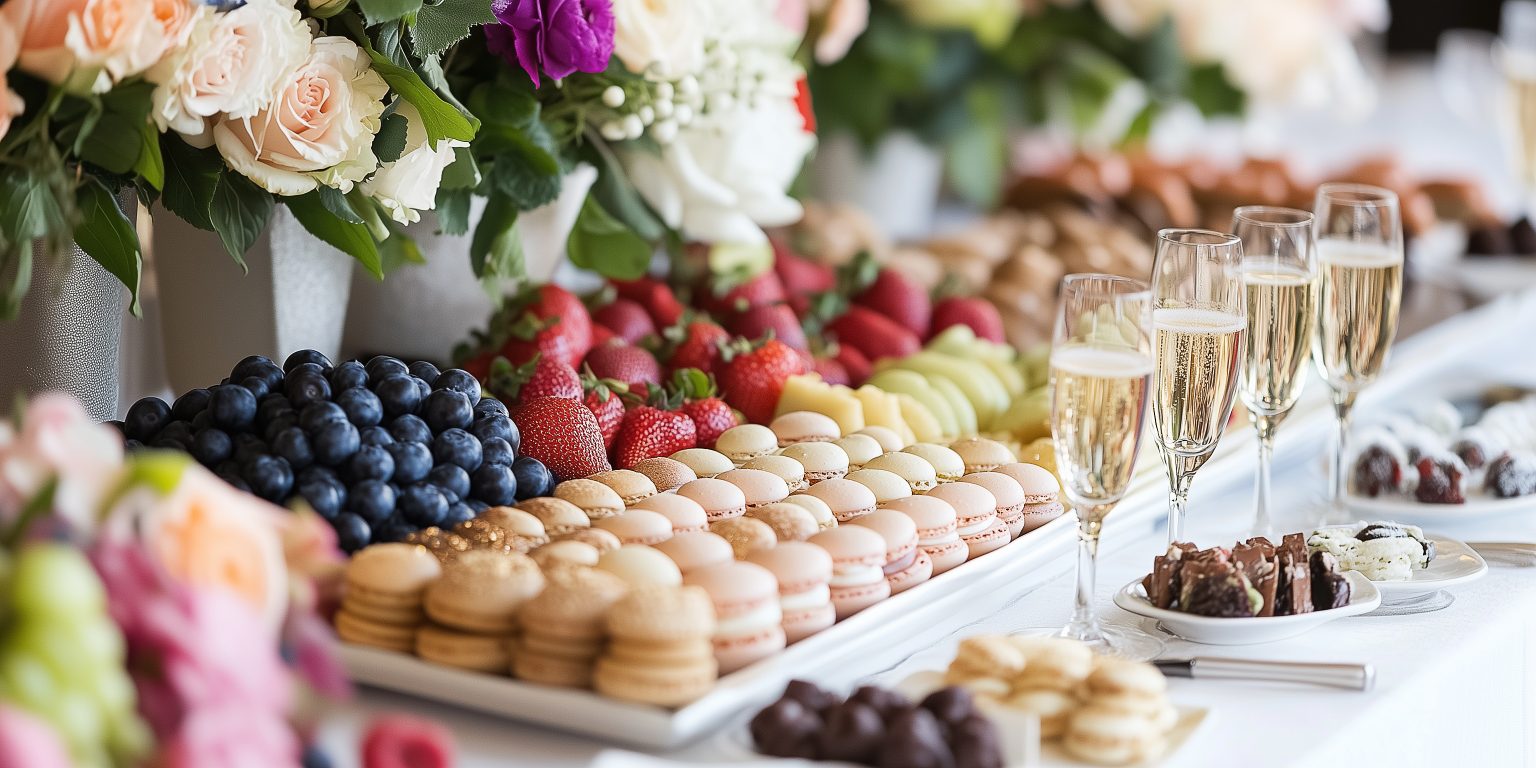
Brunch gets treated like a softer version of dinner.
Same table, same floral logic, same sequence, only now there is coffee and somebody has placed a croissant near a mimosa.
That misses the best part.
Brunch has different manners.
Daylight is in the room. People arrive differently. They eat differently. Alcohol has a different role. Guests are more likely to drift, stand, bring children, leave for another plan, or arrive having already had coffee somewhere else because no civilized person trusted the invitation that deeply.
The format should admit what time it is.
Daylight removes some of your hiding places
Dinner can build atmosphere by controlling darkness.
Brunch often has windows doing whatever windows feel like doing.
That means color, floral texture, linen and materials will be seen honestly. Candlelight may still be lovely, but it will not rescue a weak room at eleven in the morning. Glossy surfaces can become much shinier than expected. Pale flowers that looked luminous in an evening reference image may flatten against strong daylight.
Visit or photograph the space at the brunch hour if you can.
Notice direct sun, glare, shadow, temperature and which side of the table makes guests squint through the first course.
The sun has joined the vendor team. Unfortunately, it does not read the timeline.
Arrival is usually looser
An evening event can build toward a formal entrance: doors open, cocktails begin, dinner follows.
Brunch often feels better with a more forgiving arrival window.
Guests may be coming from different morning routines. Families may be moving more slowly. People may arrive hungry. Coffee becomes less of a finishing note and more of an arrival requirement.
Give early guests something obvious to do: coffee they can find, water already out, a small bite if the meal will not begin right away, and a clear place to put coats, bags or children’s things if relevant.
The first ten minutes should not require a fully awake person to decode the room.
Do not make every guest commit to a three-hour chair
Brunch can be seated and formal. It can also benefit from a little more movement than dinner.
A mix of dining seats and lighter lounge or standing opportunities can work well when the menu and guest list support it. People may want to refill coffee, talk across groups, step outside, supervise children or leave in waves.
If you are planning a fully seated meal, make the chair comfortable enough for the actual duration and keep service moving. Morning light can make a long pause feel much longer because the room never shifts into evening mode.
The real brunch question is pacing, and formality has very little to do with it.
The drink plan needs more than one personality
Brunch has a long history of making one sparkling orange drink carry the entire beverage identity.
It deserves better casting.
Coffee deserves real planning: hot, replenished, easy to sweeten or lighten, and located where a line will not block food service. Water should be immediately available. A thoughtful zero-proof drink can feel just as designed as the cocktail rather than like the thing handed to whoever is not drinking.
If alcohol is part of the event, make it one option among several. The guest who wants coffee and sparkling water should not feel as though they opted out of the fun.
Flowers behave differently at noon
Daylight makes floral condition extremely visible.
Wilted edges, bruised petals and tired greenery that might disappear into evening atmosphere can announce themselves at brunch.
Use material that can handle the setup and exposure. Keep arrangements out of punishing direct sun when possible. Think about scent near food and coffee. Use vessels with enough visual weight to stand up to a bright room without turning every table into a flower shop window.
And remember that brunch often suits a looser garden quality precisely because the light can reveal texture so beautifully.
Let the flowers look alive, not overprocessed.
Food traffic can become the design problem
Buffets, pastry tables, coffee stations and self-service drinks are common at brunch because the format tolerates movement.
That does not make movement automatically graceful.
Separate high-frequency items when space allows. Coffee should not require standing in the same line as hot food. Water should not require asking a bartender. Pastries placed at the narrowest doorway will become architectural features very quickly.
Watch where guests put a cup while serving food. Watch whether they can carry a plate and coffee safely at the same time. Provide a landing surface near a station if hands are doing too many jobs.
Brunch has fewer rules. Hands still have the same number of fingers.
The event should know how it ends
Dinner often has obvious signals: dessert, dancing, last call, departure.
Brunch can fade into an endless afternoon if nobody gives it an edge.
That may be exactly what you want. If so, design the transition: move outside, open a lounge area, shift music, let food service narrow to coffee and one final bite.
If the event needs to end, make that legible too. As the departure window approaches, stop introducing major new service unless extending the event is the point. Bring coffee and a final sweet. Thank guests. Let coats and rides become easy.
A daytime event can feel generous without occupying the entire day.
Design it at eleven in the morning
When you review the plan, imagine the room at the exact hour.
Where is the sun? What does the guest want first? What are they carrying? Are they sitting or drifting? Is the bar the center of the room, or is coffee? Does the palette look alive in daylight? What happens at 1:30?
If the answers still sound like dinner, the format has not made it into the design yet.
Brunch is not a lesser event.
It simply has no interest in pretending it is midnight.
Related reading: Family-Style Dinner Is Relaxed Until the Platters Need Somewhere to Land · Open Seating Is Relaxed Until Everybody Needs a Chair · The Banquet Captain Is Running the Room’s Clock
Atmosphere OS · Moodboard-to-Plan
Turn the reference images into something buildable.
Moodboard-to-Plan reads the direction and returns layered plans in vendor language, with the material and lighting consequences attached. Every judgment runs against a written rule rather than a fresh guess.
The rulebook is public. Every formula it runs on is written down where you can disagree with it.
If this is your mood
More daylight
 ArticleField Day for Grown-Ups: Competition Without Making It Gym Class
 ArticleThe Casual Lunch That Accidentally Acquired a Creative Direction
 Mini OccasionSun-Warmed Terrace
 ArticleBrunch for Ten: Coffee Is the First Service Problem
 ArticleThe Glass-Greenhouse Event: Beautiful Light, Difficult Temperature
 ArticleSummer Has Bad Manners
 ArticleThe Pool Isn’t the Party. It’s One Loud Guest Everyone Has to Plan Around.
 ArticleThe Clothes That Did the Whole Summer
Field notes and corrections
When a number here turns out to be wrong, you hear about it.
Two things arrive and nothing else. The new field note — bar rates, cover widths, service clearances, the arithmetic worked through on one real evening. And a correction whenever a rule in the published rulebook changes, or a number the tools rely on turns out to have been wrong. There is no weekly slot, because there is nothing weekly to put in it.
One email per field note, plus corrections when a published figure moves. Unsubscribe from any of them.
Continue through the system
Pretty is still not a plan.
This field note belongs to a larger event-design system. Follow the chapter that explains the next pressure point instead of falling back into an undifferentiated archive.
What you have to decide next
One decision constrains the next. This is the order they actually happen in.
- Venue Will this room hold it? The Serpentine Table Is Eleven Percent Longer Than the Spec Sheet Says
- Guest experience How will guests move through it? Your Guest Room Fails at the One Moment It Has a Job
- Production How does it get built and run? The Side Yard Is Wasted Square Footage With a Secret Talent
- Vendors Who owns each handoff?
More in this chapter

See the complete five-chapter Event Design Intelligence map →